ICN
ICNSeoul · KRExchange destination
Seoul.
Seoul is a 24-hour megacity that turns exchange into an adventure: palaces next to skyscrapers, mountains at the metro's edge, and a nightlife, café and study culture that never really stops.
South Korea avg / mo
€750–1,200
Language
Korean
Time zone
UTC+9
Currency
KRW ₩
Dear future me,
Say yes to the first invitation. Learn ten words. Start the housing hunt early.
— 143 students who did this already
To
You, exchange student
c/o Seoul group chat · Fall 2026
City Guide
Seoul is one of the world's great student cities: safe at any hour, ferociously well-connected, and home to Korea's top universities including the SKY trio of Seoul National, Korea and Yonsei. It packs ancient palaces, neon nightlife districts, riverside parks and hikeable mountains into one relentless, exciting whole. The international student scene is huge, and everything from delivery to transport is frictionless.
Nightlife has distinct flavours: Hongdae, around Hongik University, for indie clubs, buskers and youth energy; Sinchon for cheap student bars near Yonsei and Ewha; Itaewon for the international crowd; and Gangnam for the flashier scene. Add all-night cafés, noraebang (karaoke), PC bangs and chimaek (fried chicken and beer) and there's always something on.
Seoul is the priciest Korean city, so budget near the top of the band, about 1.3 to 1.8 million won (roughly 900 to 1,250 euros) a month, with rent and going out the main variables. Convenience-store meals, university canteens and cheap street food keep daily costs down, and the transport is excellent value. A housing deposit is the big upfront hit.
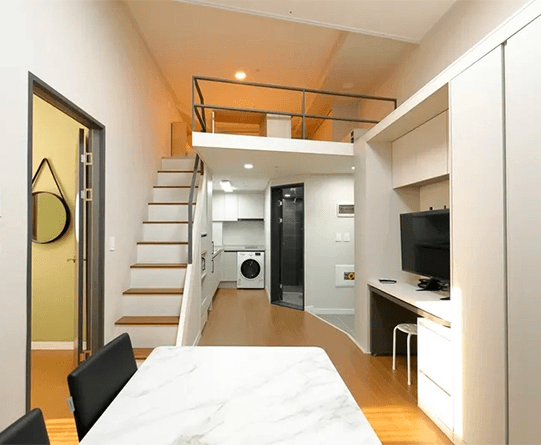
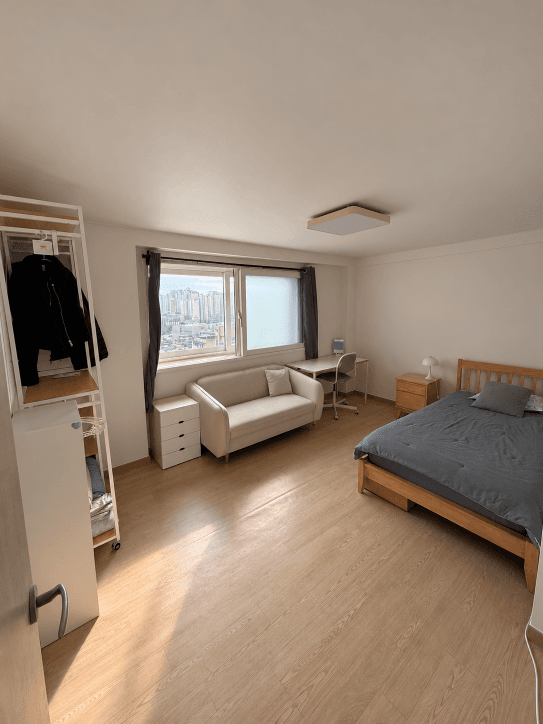
Options range from tiny goshiwon rooms, cheap and deposit-free, to one-room officetels and university dormitories, which are the easiest first move if you can get a place. Private rentals usually want a large deposit (wolse), so read the terms carefully. Base yourself near your campus and a subway line, as Seoul is big and commutes add up.
Seoul's subway is one of the best on earth, vast, cheap, punctual and in English, and buses fill every remaining gap. A single T-money card covers the lot, including transfers, and the KakaoMap and Naver Map apps do all your routing, since Google Maps is limited in Korea. Ttareungi public bikes and cheap late-night taxis round it out.
Seoul National University leads the country, with Korea University and Yonsei completing the elite SKY; Hanyang and SKKU are strong in engineering and business, and Hongik is the art-and-design name. Many host large exchange programmes with English-taught courses, though class intensity and group work are high. International offices are well organised.
For a full exchange semester (over 90 days) you'll need a D-2 student visa, not visa-free entry. Your host university issues a Certificate of Admission; you take that plus proof of funds to a Korean embassy or consulate in your home country. The exact process depends on your nationality, so check your local consulate, but nearly every exchange student ends up on the D-2.
Once you land, register for a Residence Card (the old Alien Registration Card, or ARC) within 90 days at your local immigration office. Book the slot on the HiKorea site early, because appointments vanish fast. You'll also enrol in mandatory national health insurance (NHIS). Some nationalities need a K-ETA travel authorisation on top, so verify before you fly.
Seoul is a street-food and barbecue paradise. Gwangjang Market does bindaetteok (mung-bean pancakes) and mayak gimbap; the barbecue joints do samgyeopsal you grill yourself; and every corner has tteokbokki, gimbap and a café. Cafés are practically a national institution, themed, aesthetic and open late for studying.
Hongdae and Sinchon are the youthful, university-heavy west side; Gangnam and Sinsa, south of the river, are polished and pricier; Itaewon is the international quarter; and Jongno and Insadong hold the palaces, hanok lanes and traditional markets. Seongsu and Yeonnam-dong are the trend-driven café-and-boutique districts of the moment.
Korea is small and the KTX is fast, so weekends go far. Nami Island and Gapyeong are 90 minutes for lakes and forest; the Hwaseong fortress at Suwon is an hour; and Busan, on the south coast, is under three hours by high-speed train. A DMZ tour is the unmissable day trip; Jeju island is a cheap flight for a longer break.
Download the local apps before anything else: Naver Map, KakaoMap, KakaoTalk, Papago and a delivery app run daily life. Get an ARC (alien registration card) early to unlock a bank account and phone plan. Learn a little hangul and a few polite phrases; it transforms how people treat you, and etiquette around elders and drinking matters.
Student Reviews
FannieKEDGE Business School → Dankook University · Spring 2025★ 10.0“📲 Best app: · NaverMap and KakaoMap instead of Google map · EZL Top-up (To follow your balance on you TMoney) · PAPAGO for translation Admin: · Registration Card process: Remember to bring a photo ID in the Korean format with you (the same photo you used for your visa is perfect). · Health Insurance: You can apply for an exemption from Korean health insurance thanks to an agreement between France and South Korea and you don’t need to provide any additional documents. Just head to this address with your Registration Card: 164‑1 Maegyo‑dong, Paldal‑gu, Suwon‑si, Gyeonggi‑do Night Life in Seoul: · Hongdae: Club (La Rosa); Bar/Arcade (La Luz) · Itaewon: It’s more foreigners‑friendly than Hongdae, and the people tend to be older. Clubs / Associations: In Dankook, you’ll have the opportunity to join a club if you wish. I was part of the ECC (English Conversation Club), which was super fun and great if you want to meet Koreans.”
LindaECE Paris → Hanyang University Seoul · Fall 2025★ 8.0“I took Algorithm Analysis, C++, Software Engineering, Launch Your Start Up and Korean for Beginners. Classes really depends on the teacher. I really recommand Algo Analysis and C++, it is interresting and not to difficult for exchange student. For software engineering, I think I just don't have the best teacher. It is only theorical classes in a subject where you have to experiment to learn so a bit disapointing. Some friends took the same subject with an other teacher and have some interresting project to do, have met LG and so on. Launch your StartUp is not that interresting but you have juste to watch some videos and the quiz are easy Korean for beginner is really interesting and usefull I clearly recomand it. Same you have to watch video and the mid terms are easy When you choose your course, you can check the programm, week by week and I think it is really important to refer to it when you choose your classes”
Hanyang University
10 reviews · 2025
8.9/10 overall
The campus is incredible, very nice, there are convenient stores, cafes and restaurant everywhere + the sport complex is huge, you can do every sport you want, there is also a fitness center + basketball/football/baseball field + tennis court,.... I would pick the same uni, it was really cool and in the center of seoul so perfect ! the registration was easy, they answer emails really fast
🔍 InsidoorStudcasa exclusive
Book a property viewing: a local Insider visits the place for you, films it live and checks it’s real, before you pay a deposit.
Deals
Saily
Airalo
Holafly
Trip
NordVPN
MozioPartner deals · Studcasa may earn a commission, at no cost to you.