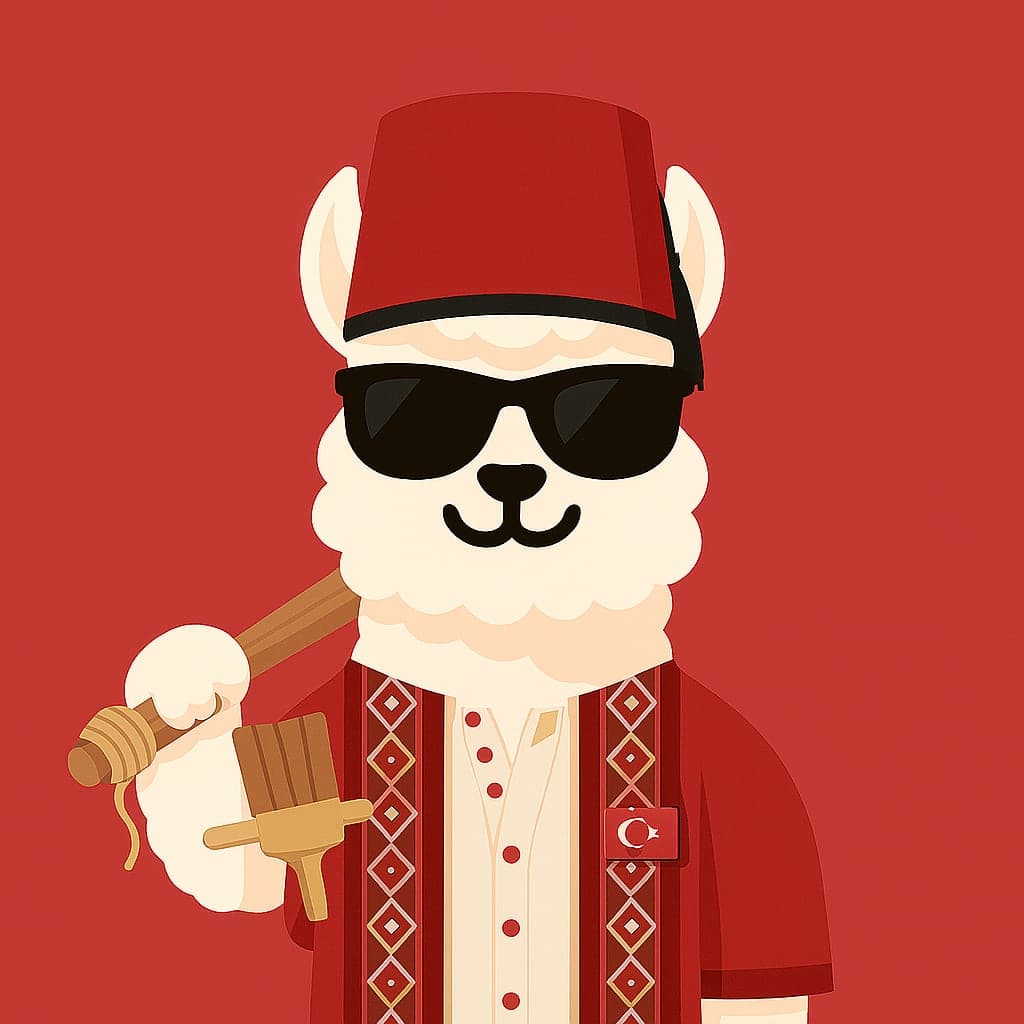
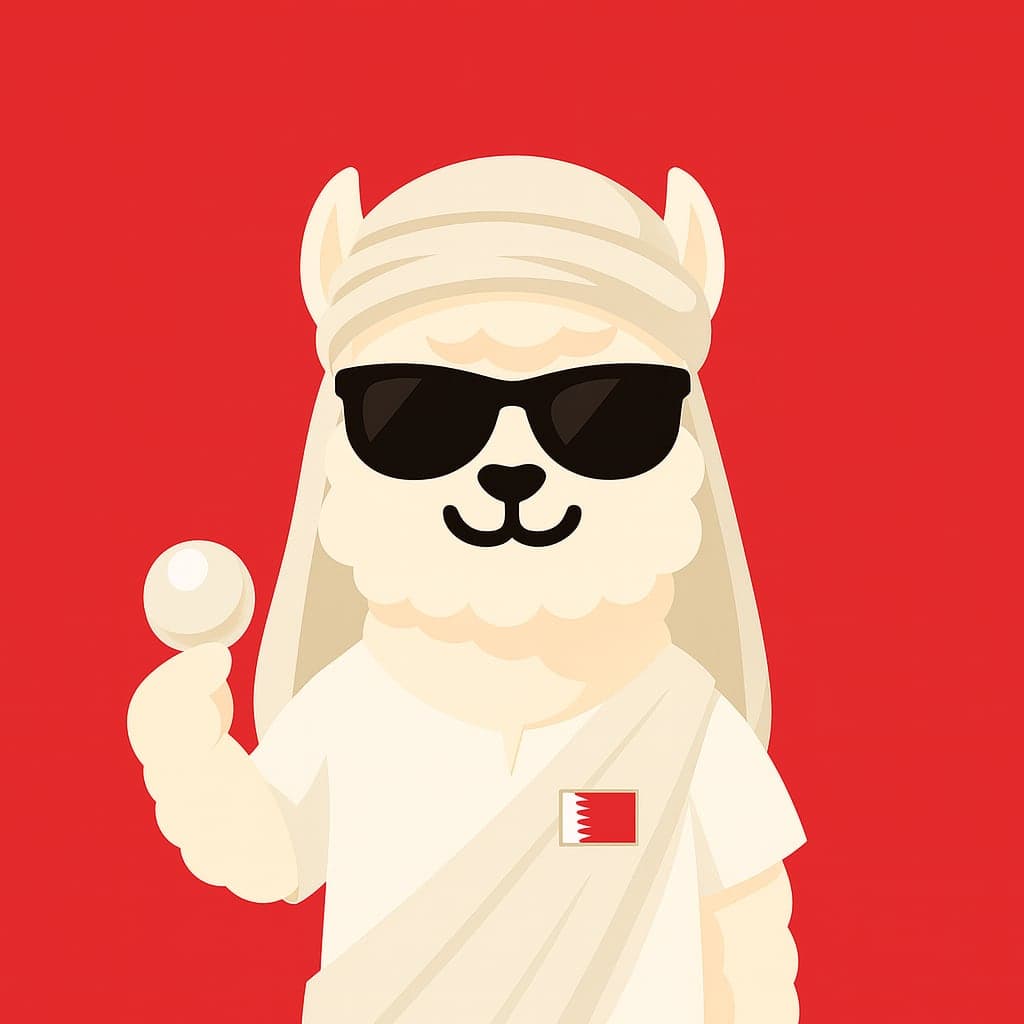
Exchange in the Middle East means picking between two very different worlds: Turkey, where a euro stretches for miles and Istanbul never sleeps, and the Gulf (the UAE and Bahrain), which is glossy, English-friendly and pricey. It's for the curious student who wants somewhere that still surprises people back home, not another Erasmus stop everyone's already done. Come with an open mind about dress codes, alcohol and prayer times and you'll have a semester no one can match.
winter sunlow-budget adventuresbusiness and tech internshipsdesert and diving weekendshistory nerds
Monthly budget
€600–1,400 / mo depending on country — Jordan and Türkiye at the low end, Dubai and Doha at the top.
Languages
Arabic, Hebrew and Turkish locally, but English gets you through classes, admin and daily life in most exchange cities.
When to go
Aim for the spring semester (roughly Jan–May) — winters are mild and sunny, while June to September gets brutally hot pretty much everywhere.
Getting around
Cheap flights and shared taxis link cities; Dubai and Istanbul have solid metros, but cross-border land travel needs planning, so fly between countries.
🌍
Why go on exchange in Middle East
Most of your mates will do Barcelona or Prague. You get bragging rights and a semester somewhere genuinely different: Istanbul straddling two continents, Dubai's skyline, Manama's low-key charm. Turkey is astonishingly cheap and deep in history; the Gulf is safe, modern and runs almost entirely in English, so nothing feels impossible even on day one.
The trade-offs are real. The Gulf is expensive and socially conservative, with alcohol tightly controlled and dress codes to respect. Turkey has a wobbly currency and less English outside the big cities. You thrive here if you're adaptable, curious and not fussed about a nonstop bar scene.
🎉
Student life & the social scene
Life splits by country. In Istanbul or Izmir, students spend evenings in cafés over endless çay, cheap eats and lively neighbourhoods like Kadıköy; nightlife is proper, with bars and clubs that go late. In Dubai and Abu Dhabi the scene is brunches, beaches, malls and shisha lounges, plus licensed hotel bars that cost a fortune. Manama is quieter but friendly.
Making friends is easy because you're a novelty and locals are genuinely hospitable. ESN-style exchange societies are strong in Turkey; in the Gulf, host-uni buddy schemes and the huge international student mix do the same job. Say yes to everything the first month and you'll have a crew fast.
💸
Money & cost of living
Your budget depends entirely on where you land. Turkey is one of the cheapest exchanges going: you can live well on €500-800 a month, with a room from €200-350 and a full meal for €4-6. The Gulf is a different planet. In Dubai and Abu Dhabi rent alone can eat €700-1,200 a month, and a modest all-in budget runs €1,200-2,000. Bahrain is a touch softer but still pricey by European standards.
Save by cooking, grabbing student housing where it's offered, and skipping the licensed-bar nights that quietly wreck Gulf budgets. In Turkey, cash and street food are your friends.
Turkey — €500-800/mo
Bahrain — €900-1,400/mo
United Arab Emirates — €1,200-2,000/mo
🚆
Getting around the region
In-city transport is genuinely good. Istanbul's metro, trams and cross-Bosphorus ferries are cheap and run on an Istanbulkart; a ferry between continents costs under a euro. Dubai's driverless metro is spotless and covers the main strip, though you'll still lean on cheap Careem taxis. Manama is small and taxi-dependent.
Flights between the countries are quick and often cheap on the region's carriers: Istanbul to Dubai is about 4.5 hours, Dubai to Bahrain barely an hour. Weekend hops within Turkey are easy by intercity bus or budget flight, and the Gulf's short-haul network makes a Friday getaway realistic.
Istanbul–Dubai — ~4.5h flight
Dubai–Bahrain — ~1h flight
Istanbul Bosphorus ferry — under €1
🎓
Universities & academics
Expect a more lecture-led, exam-heavy style than the seminar chat you might be used to, though top universities are modernising fast. Everything maps to ECTS via bilateral agreements, so a normal semester is 30 credits and they transfer as usual. English-taught options are everywhere in the Gulf, where instruction is basically all English, and plentiful in Turkey's big-name schools.
Workload is manageable but attendance is taken seriously. Standout student cities: Istanbul (Boğaziçi, Koç, Sabancı), Ankara (METU, Bilkent), and the Gulf's international campuses in Dubai, Abu Dhabi and Manama. Grading can feel stricter, so check early how your home uni converts the marks.
🛂
Visas & the paperwork
Rules depend on your nationality, so confirm with your host uni, but the pattern is clear. For Turkey, many Europeans enter visa-free or on a cheap e-visa, then apply for a short-term residence permit (ikamet) once you're staying past 90 days. In the UAE and Bahrain, the host university usually sponsors your student visa and handles the paperwork before or just after you arrive.
Budget for a medical check and mandatory health insurance in the Gulf, and register with local authorities where required. Start early: Gulf visa processing and Turkish ikamet appointments both take weeks, and slots fill up.
Turkey — e-visa/visa-free entry, then residence permit (ikamet) for long stays
UAE — student visa sponsored by your host university, medical + insurance required
Bahrain — host-uni-sponsored student visa, arrange before or on arrival
🍽️
Food, culture & everyday life
You'll eat well and cheaply. Turkey means breakfasts that go on for hours, kebabs, mezes and street simit; the Gulf layers Emirati, Lebanese, Indian and Filipino food, plus shawarma runs at 2am. Lunch and dinner run late, especially in the summer heat.
Learn the norms. During Ramadan, eating or drinking in public in daytime is a no-go in the Gulf and impolite in Turkey; hours shift and nights come alive. Dress modestly at mosques and government buildings, and know alcohol is legal but restricted to licensed venues in the UAE and Bahrain, near-invisible in some Turkish areas and normal in others. Public displays of affection draw frowns.
✈️
Travel & weekend adventures
Your base sets the map. From Turkey, weekends of Cappadocia balloons, Pamukkale's white terraces, the beaches of Antalya and ancient Ephesus near Izmir are all cheap by overnight bus or budget flight. From the Gulf, the whole region is a short hop: Oman's mountains and wadis, Abu Dhabi's museums, or a splurge to Jordan's Petra.
Keep it broke-friendly by travelling midweek, using Turkey's brilliant intercity buses, and pairing flights with hostels. A single Turkish semester can cover half the country; a Gulf one puts several countries within a weekend.
Cappadocia (Turkey) — balloons and cave hotels, overnight bus from Istanbul
Pamukkale & Ephesus — travertine terraces and Roman ruins near Izmir
Antalya coast — cheap Mediterranean beaches, ~1h flight from Istanbul
Oman from the Gulf — wadis and mountains, short flight or drive from the UAE
Petra, Jordan — a weekend splurge, ~3h flight from Dubai
🧭
Which country is right for you
Three countries, three very different semesters. Pick by what actually matters to you day to day, and be honest about budget, because that decides more than anything else here.
On a tight budget — Turkey, no contest; €500-800 a month goes far
Best nightlife — Istanbul, real bars and clubs that run till dawn
Beaches & sun — the UAE for year-round warmth, or Turkey's Med coast
Easiest in English — the UAE and Bahrain, where everything runs in English
History & culture — Turkey, layered with Byzantine and Ottoman everywhere
Big-city buzz — Dubai for the futuristic skyline, Istanbul for the beautiful chaos
💡
Insider tips & rookie mistakes
The region rewards students who do a little homework. The mistakes are usually about money, culture and admin, not anything dramatic, and they're all avoidable with a bit of planning.
Carry cash in Turkey and haggle at bazaars; card isn't king outside cities
Get a local SIM on day one (Turkcell, or du/Etisalat) for cheap data and taxis
Don't assume alcohol is easy in the Gulf; it's licensed, pricey and hotel-only
Check dates against Ramadan; timetables, eating and opening hours all shift
Dress modestly for mosques and official buildings, especially women
Book Turkish ikamet and Gulf visa steps weeks early; slots vanish fast
On the map
Studcasa across Middle East.
The cities we already have groups in — and how many students are inside.
0+Students in groups
0Cities with groups
0Countries
Students in the network
225
225 students3 cities
Tap a region tab or a highlighted country on the map to explore your reach.
Top countries by reach
Exchange tools
Plan it before you fly.
Free tools to budget, pick a city and sort your paperwork.