





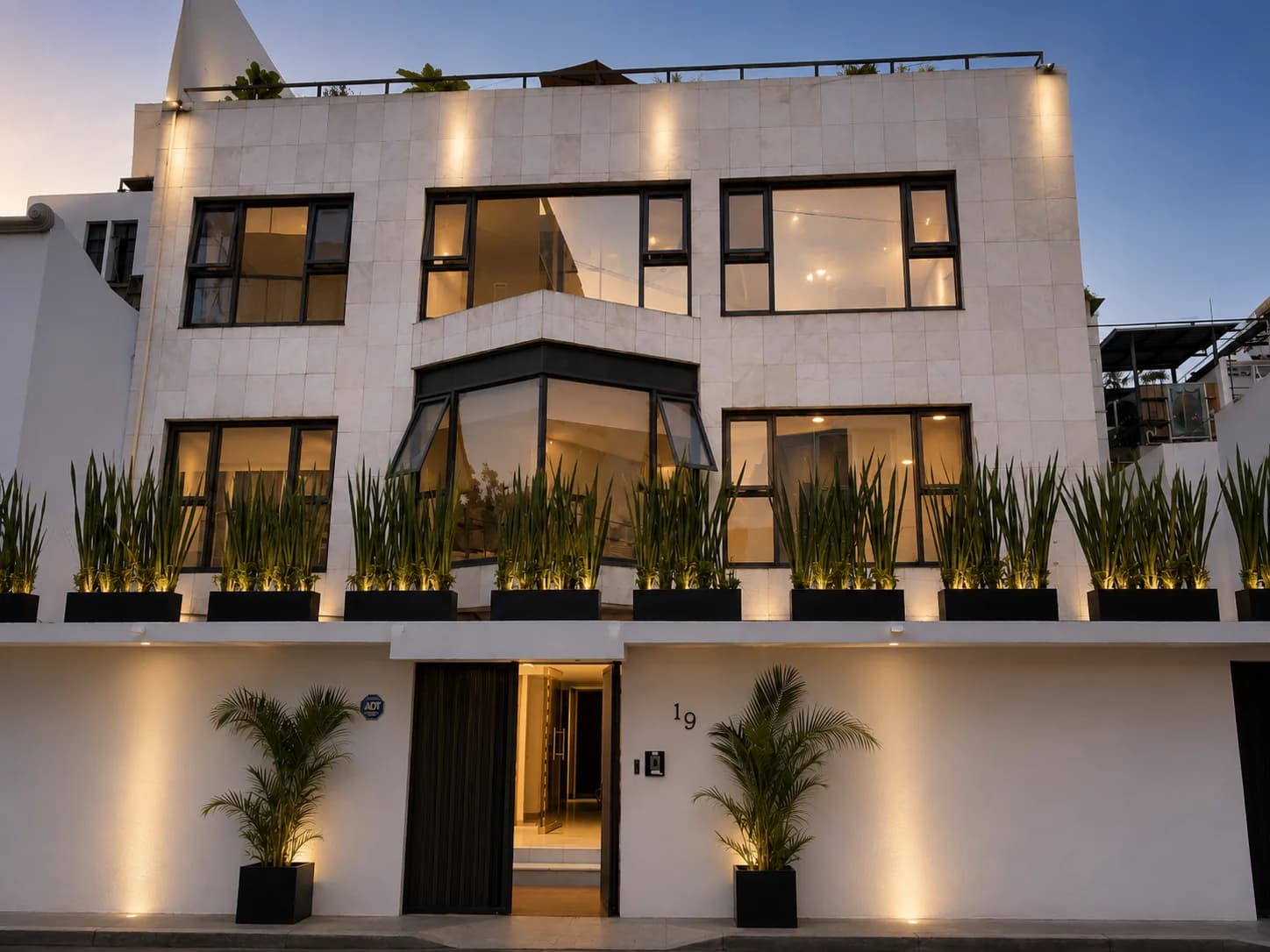
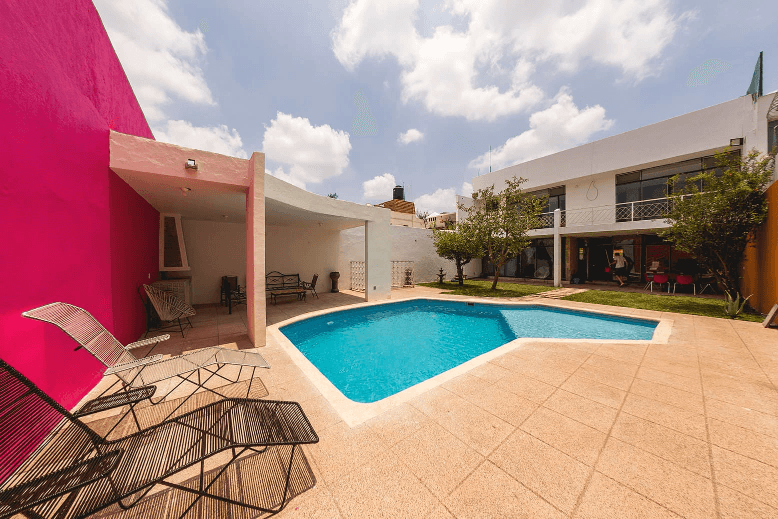
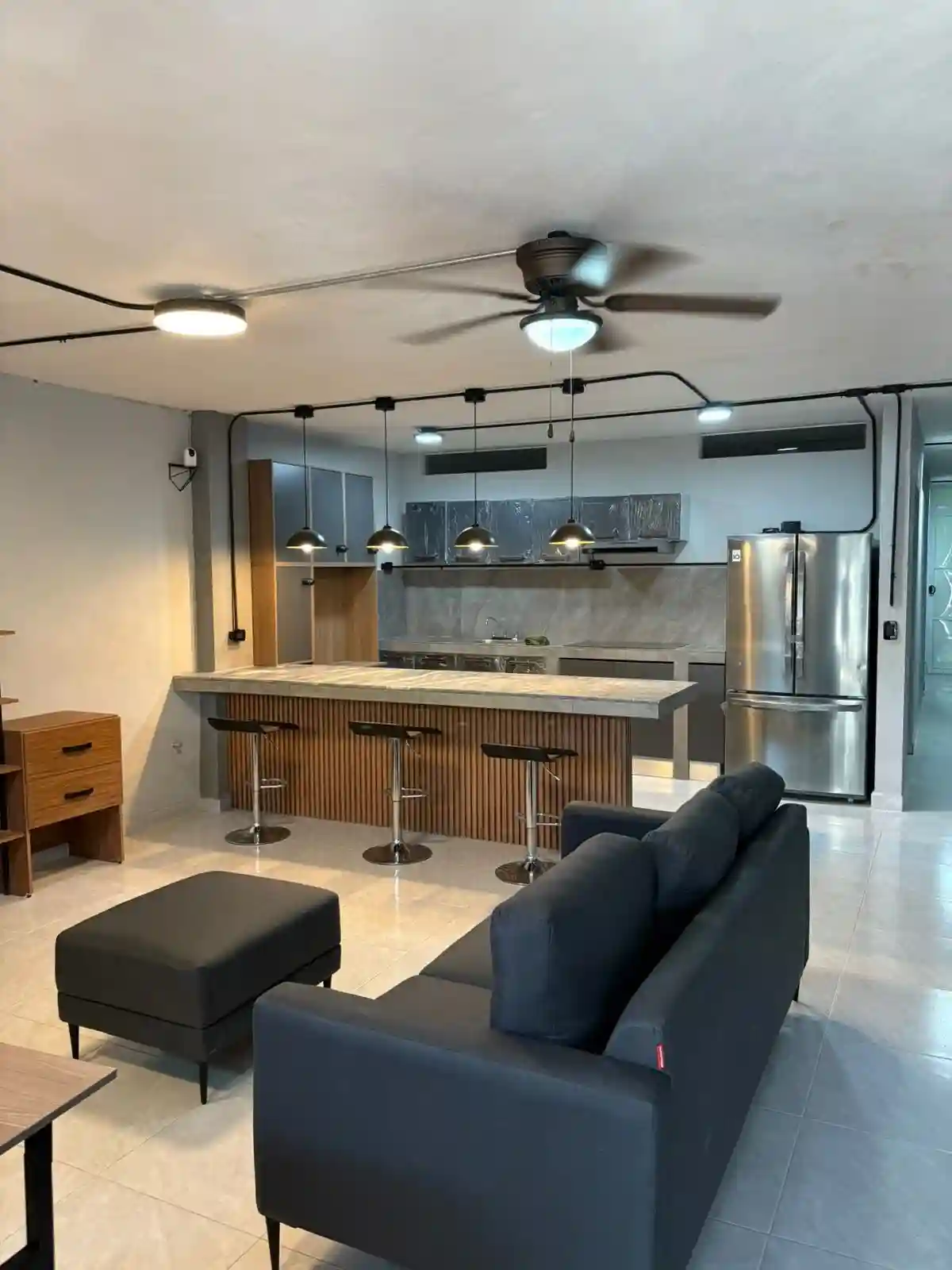
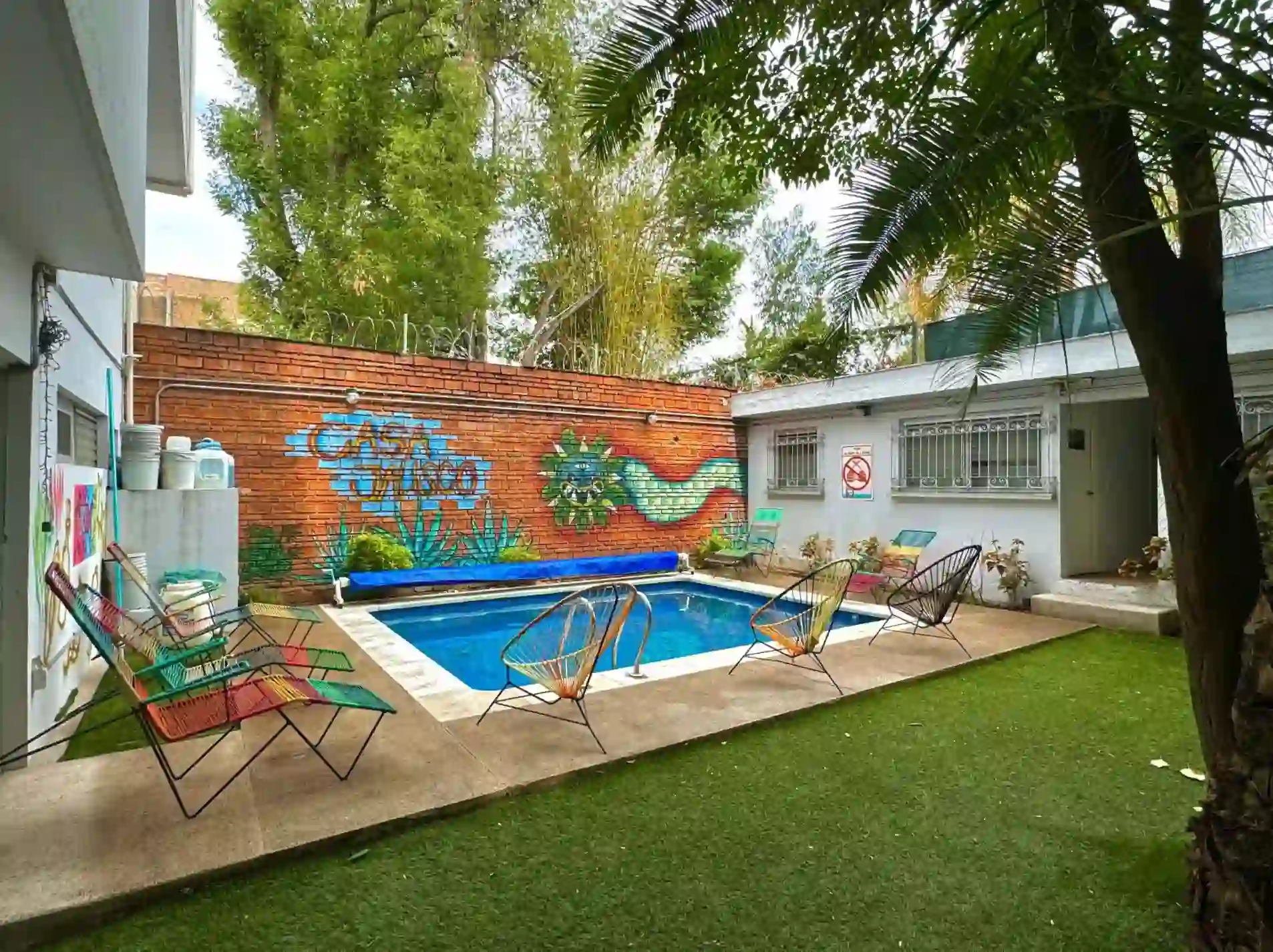
The cities we already have groups in, and how many students are inside.
0+Students in groups
0Cities with groups
Students in the network
558
558 students6 cities
Tap a region tab or a highlighted country on the map to explore your reach.
Top countries by reach
Country guide
Landing in Mexico, sorted.
Mexico is a loud, warm, ridiculously affordable place to spend a semester, and your euros or dollars stretch further here than almost anywhere in the Americas. It suits students who want big-city energy, a proper social life, and a launchpad for beaches and ruins, and who don't mind that Spanish will make or break your daily life.
Currency
Mexican peso (MXN)
Languages
Spanish
Emergency number
911
Monthly budget
β¬550β900 / mo
When to go
Autumn semester runs roughly AugustβDecember, spring JanuaryβJune; arriving for August means you catch Independence Day and DΓa de Muertos in one term.
Getting around
Dirt-cheap and everywhere: metro rides for pennies in CDMX, Uber and DiDi in every big city, and long-haul ADO or ETN buses that beat European trains for comfort.
Visa in one line
Most exchange students under 180 days enter visa-free as visitors; longer programmes need a Temporary Resident Student visa from a Mexican consulate before flying, then a residence card at the INM office.
π
Why go on exchange in Mexico
Mexico gives you an outsized experience for a small budget. A month here costs what a fortnight costs in Western Europe, so you can actually afford to travel, eat out, and say yes to things. The culture is generous and social by default, people will invite you to everything, and universities like the Tec de Monterrey and UNAM have real international pull.
It's also a genuine challenge in the good way. Spanish is unavoidable outside expat bubbles, the bureaucracy tests your patience, and cities are enormous. But you come out of a semester here more independent, more relaxed about chaos, and with a network across Latin America. If you want comfort and predictability, look elsewhere; if you want to be pushed, this is it.
π
Student life & the social scene
Mexican student life runs on food, family, and going out late. Nights start after 10pm and cantinas, taquerias, and mezcal bars are the default meeting points before anything resembling a club. Exchange students cluster fast through university buddy programmes and WhatsApp groups, and locals are unusually willing to fold you into their circle if you make any effort in Spanish.
Expect a semester heavy on day trips, house parties, and long comidas that eat the whole afternoon. Guadalajara and Mexico City have the deepest scenes, from underground electronic parties to lucha libre nights. The trade-off is safety awareness: you'll learn which neighbourhoods and which hours are fine, use ride apps at night, and keep your phone tucked away. It becomes second nature within a fortnight.
πΈ
Money & cost of living
Mexico is cheap by European or North American standards, especially for food and transport. A student living outside the priciest Mexico City neighbourhoods can get by comfortably on roughly 600 to 900 euros a month including rent. The catch is that imported goods, decent gyms, and nightlife in trendy districts creep towards Western prices, so budgets blow out on lifestyle rather than basics.
Carry some cash always, since small taquerias and markets are card-shy, and use a fee-free card for ATM withdrawals.
Room in a shared flat: β¬200-β¬400/month
Taco or comida corrida lunch: β¬3-β¬5
Metro or local bus ride: β¬0.30-β¬0.50
Cortado in a nice cafe: β¬2-β¬3
Monthly mobile plan with data: β¬10-β¬15
π
Finding a place to live
Most exchange students land in a shared flat or a room in a house, ideally in a safe, walkable neighbourhood near campus or a metro line. In Mexico City that means Roma, Condesa, Del Valle, or Narvarte; in Guadalajara, Providencia or Chapalita; in Monterrey, San Pedro or near the Tec. University housing exists but is limited, so most people arrange rooms once they arrive or through Facebook groups and word of mouth.
Don't wire deposits before you've seen a place, since fake listings targeting foreigners are common. Book a hostel or Airbnb for your first two weeks, view rooms in person, and expect to pay one month's rent plus a deposit.
Roughly β¬200-β¬350 for a room in a shared flat outside the priciest zones
Search on Facebook housing groups, Roomgo, and the local buddy network
Never pay a deposit before viewing; foreigner-targeted scams are common
Ask whether bills, internet, and cleaning are included before you sign
π
Getting around
Big cities have cheap, extensive public transport, though it can be crowded and slow. Mexico City's metro is one of the cheapest on earth and pairs with Metrobus and light rail; Guadalajara and Monterrey have growing metro and BRT lines. Ride apps like Uber and DiDi are affordable and the go-to for nights out or anywhere off a transit line.
For intercity travel, forget trains and use the excellent long-distance buses. Companies like ADO and ETN run comfortable coaches, and overnight routes save you a hotel night.
Mexico City metro, around β¬0.30 a ride with a rechargeable card
Uber or DiDi crosstown, usually β¬3-β¬7
Long-distance bus, e.g. Mexico City to Oaxaca: β¬30-β¬45
Domestic flights on VivaAerobus or Volaris, often β¬40-β¬80 booked ahead
π
Universities & academics
Mexican universities range from research-heavy public giants to polished private institutions. UNAM in Mexico City is huge, prestigious, and nearly free, while private universities like Tec de Monterrey and Universidad Iberoamericana are more structured, better resourced, and more used to exchange students. Grading runs on a 0 to 10 scale where 6 is a pass, and many host universities map credits to ECTS for European students, so check the conversion with your home coordinator early.
Workload is steady rather than brutal, with frequent smaller assessments instead of one giant final. English-taught courses exist mainly at the private universities and in business and engineering, but choice is limited, so any Spanish you have widens your options enormously.
π
Visas & the paperwork
What you need depends on your nationality and how long you're staying, so treat this as a starting point and confirm with the Mexican consulate for your country. Many nationalities, including most Europeans, can enter visa-free as tourists for up to 180 days, which covers a single semester. For a full academic year or formal enrolment, you'll usually apply for a temporary resident student visa at a consulate before you travel.
Start early, since consulate appointments and document legalisation take time.
Short exchange under 180 days, often visa-free entry for many nationalities
Full year or formal enrolment, temporary resident student visa from a consulate
Bring your university acceptance letter and proof of funds to the appointment
Requirements vary by nationality; always confirm with your Mexican consulate
π½οΈ
Food, culture & everyday life
Food is the heart of daily life and it is spectacular and cheap. Street tacos, tamales, tlayudas, and regional specialities differ from state to state, and the midday comida is the main meal, often stretching well past an hour. Learn to handle chilli, embrace markets over supermarkets, and you'll eat better here for a few euros than for far more at home.
Culturally, expect warmth, formality with elders, and a relaxed attitude to time that will frustrate you before it charms you. Festivals punctuate the calendar, from Day of the Dead to countless local saints' days, and they're a highlight rather than a distraction. Politeness, a bit of Spanish, and patience open every door.
ποΈ
Best cities for your exchange
Where you land shapes your whole semester. Mexico is regional and each city has a distinct pace, so match it to what you actually want out of the term.
Guadalajara, for a laid-back yet lively city with great nightlife, mariachi roots, and a strong student vibe
Leon, for an affordable, industrious Bajio base with easy access to colonial towns nearby
Mexico City, for those who want a world capital with endless culture, food, and connections
Monterrey, for business and engineering students who want a modern, mountain-backed city and the Tec
Puebla, for colonial charm, incredible food, and a calmer pace within reach of the capital
Queretaro, for a safe, prosperous, walkable city that's a favourite among newer arrivals
βοΈ
Travel & weekend trips
Mexico is enormous and rewards weekend escapes. Cheap domestic flights and comfortable overnight buses put beaches, jungles, and colonial towns within reach, and a semester is barely enough to scratch the surface. Plan around long weekends and the many public holidays, and split longer coastal trips with classmates to cut costs.
Oaxaca, mezcal, markets, and the best food in the country, a night bus from the capital
Playa del Carmen and Tulum, Caribbean beaches and cenotes, a flight to Cancun away
San Miguel de Allende and Guanajuato, postcard colonial towns in the Bajio
Puerto Escondido, surf and sunsets on the Pacific for a fraction of Caribbean prices
Mexico City day trips, Teotihuacan pyramids and the pueblos magicos around the valley
π‘
Insider tips & rookie mistakes
A few habits separate the students who thrive from the ones who spend the term stressed. Most of it is common sense once you've settled in.
Learn Spanish before and during; even basic phrases transform your daily life and safety
Use Uber or DiDi at night rather than hailing street taxis, especially in Mexico City
Carry cash for taquerias and markets, but don't flash it or your phone in the street
Drink filtered or bottled water and ease into street food to spare your stomach
Don't book housing sight unseen from abroad; view rooms in person first
Build in patience for bureaucracy and 'ahorita' timekeeping; nothing runs to your schedule
Exchange tools
Plan it before you fly.
Free tools to budget, pick a city and sort your paperwork.