





The cities we already have groups in, and how many students are inside.
0+Students in groups
0Cities with groups
Students in the network
393
393 students2 cities
Tap a region tab or a highlighted country on the map to explore your reach.
Top countries by reach
Country guide
Landing in Poland, sorted.
Poland is one of Europe's best-kept exchange secrets: seriously cheap, packed with history, and home to buzzing student cities where your grant stretches twice as far as it would in the West. It suits students who want a big social year on a small budget and don't mind a colder climate. English is widely spoken among young people, so day-to-day life is easier than the language barrier suggests.
Currency
Polish zΕoty (zΕ / PLN)
Languages
Polish
Emergency number
112
Monthly budget
β¬550β850 / mo
When to go
Winter semester runs October to February, summer semester late February to June β October arrivals get the golden autumn.
Getting around
Cheap and excellent β trams and buses in every city, semester transport passes for a few euros a month with student discount, PKP trains between cities.
Visa in one line
Apply for a national D-type student visa at a Polish consulate before arrival; stays over a year need a temporary residence permit from the local voivodeship office.
π
Why go on exchange in Poland
Poland is the value champion of European exchanges. Rent, food, and nights out cost a fraction of Western Europe, so an Erasmus grant that barely covers a room in Paris funds a full lifestyle here. Krakow and Warsaw are young, energetic cities with deep history and a fast-modernising feel, and the country's central location makes weekend trips across the region cheap and easy.
The trade-offs are real: winters are long, grey, and genuinely cold, and Polish is a hard language, though you rarely need it as young people speak good English. Bureaucracy can be slow and old-fashioned. But for students who want to live well without money stress and explore a part of Europe most of their friends won't, it's hard to beat.
π
Student life & the social scene
Student life is huge and cheap, which is a great combination. Krakow in particular has one of the highest bar densities in Europe, with the Kazimierz district packed with quirky, cheap pubs, and ESN sections run a relentless calendar of parties, trips, and integration events. Because drinks cost so little, going out several nights a week is normal and affordable.
The Erasmus community is large and tight, and Polish students are friendly and used to internationals. Vodka is the national drink and features heavily, but craft beer and cheap cocktail bars are everywhere too. Milk bars (bar mleczny), cheap subsidised canteens left over from communist times, are a rite of passage for a filling lunch on almost no money.
πΈ
Money & cost of living
Poland uses the zloty (PLN), not the euro, and it's one of the cheapest destinations in the EU. A comfortable monthly budget is around 500-750 euros all in, less if you're careful. Warsaw is the priciest city, Krakow slightly cheaper, and everywhere else cheaper still. Your grant genuinely goes far here.
Eating out is cheap enough that many students barely cook, and public transport and cultural tickets are heavily discounted for under-26s. Figures below are rough euro equivalents.
Room in a shared flat: 250-400 euros
Meal at a milk bar or cheap restaurant: 4-8 euros
Beer in a bar: 2-3.50 euros
Monthly student transport pass: 12-20 euros
Weekly groceries: 25-40 euros
π
Finding a place to live
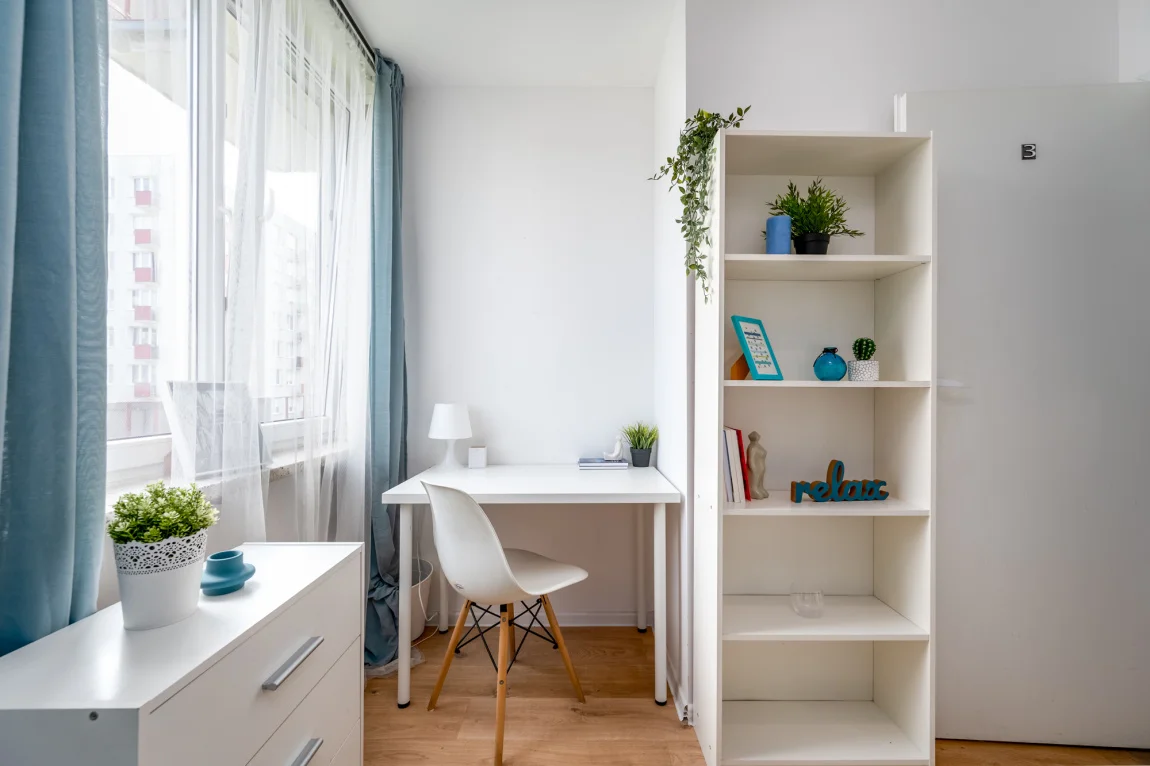
You've got two realistic options: a university dorm (akademik), which is dirt cheap (often 100-200 euros a month) but basic, shared, and sometimes far from the action, or a private shared flat, which is comfier and still affordable. Many exchange students take the dorm for the social side and low cost. Otodom and OLX are the main rental portals, alongside Erasmus and city Facebook groups.
Scams exist but are less aggressive than in Western hotspots; still, never wire a deposit for a flat you haven't seen. Deposits are usually one month. Warsaw's private market is tighter and dearer than Krakow's, so if you want a flat rather than a dorm there, start looking early.
University dorm (akademik), cheapest option, very social
Otodom and OLX, main sites for private rentals
Deposit is usually one month's rent
Never transfer money before viewing in person
π
Getting around
City transport is excellent and cheap. Warsaw has a metro plus extensive trams and buses; Krakow relies on a dense tram network. A student season ticket costs almost nothing, roughly 12-20 euros a month, and covers everything. Both city centres are compact and walkable, and cycling is easy in the warmer months.
For intercity travel, PKP Intercity trains connect the major cities comfortably, Warsaw to Krakow takes about 2.5 hours on the fast EIC/Pendolino service. FlixBus covers the same routes even cheaper. Book train tickets a bit ahead for the best fares, and grab a student railcard discount if eligible.
Student monthly transport pass, roughly 12-20 euros
Warsaw to Krakow, about 2.5 hours by fast train
PKP Intercity, comfortable, cheap intercity rail
FlixBus, the cheapest option between cities
π
Universities & academics
Polish universities use ECTS with a standard 30-credit semester. Grades run on a scale where 5.0 is excellent, 3.0 is the pass mark, and 2.0 is a fail. Assessment is often exam-heavy with formal oral exams still common in some faculties, and workload varies a lot by department, some are relaxed, others surprisingly rigorous.
English-taught programmes are well established, especially at the bigger universities, so course availability for exchange students is good. Standouts include the Jagiellonian University in Krakow, one of the oldest in Europe, and the University of Warsaw, plus strong technical universities in both cities. Confirm the exact English course list with your host, as it differs by faculty and semester.
π
Visas & the paperwork
It depends on your nationality. EU, EEA, and Swiss students need no visa and just register their stay if it runs beyond three months. Non-EU students staying over 90 days generally need a national (type D) student visa from a Polish consulate before arrival, and then register for a temporary residence card if staying a full year.
Start early: consular processing can be slow and you'll need proof of enrolment, funds, accommodation, and health insurance. Once in Poland, you may need to register your address (meldunek) locally. Keep copies of everything, as Polish offices are paperwork-heavy and appointments can be scarce in the big cities.
EU/EEA/Swiss, no visa; register if staying over 3 months
Non-EU over 90 days, type D student visa before arrival
You may need to register your address (meldunek) locally
Bring proof of funds, insurance, and enrolment
π½οΈ
Food, culture & everyday life
Polish food is comforting and cheap: pierogi (dumplings) in endless fillings, zurek (sour rye soup), bigos (hunter's stew), and hearty meat-and-potato plates built for cold weather. Milk bars serve it all for a few euros. The cafe scene in Krakow and Warsaw is genuinely good, and vodka remains the social lubricant of choice.
Poland is culturally more traditional and religious than Western Europe, with Catholicism still influential, though the big cities are liberal and international. History is everywhere and often heavy, from the royal past to WWII and the communist era, and locals appreciate it when you take an interest. People can seem reserved at first but are warm and hospitable once you're in.
ποΈ
Best cities for your exchange
Your two options here have distinct vibes, one a preserved old jewel, the other a fast-moving capital. Both are excellent for exchange.
Krakow, for the classic student experience: gorgeous old town, cheap nightlife, the biggest Erasmus scene
Warsaw, for capital energy, better job and internship links, and a more modern, business-minded feel
βοΈ
Travel & weekend trips
Poland's central position makes it a superb travel base, and internal trips are cheap too, from the Tatra mountains to the Baltic coast. Krakow is a launchpad for Zakopane and the sobering but essential Auschwitz memorial, while Warsaw connects easily across the country and region.
Budget flights and buses reach Berlin, Prague, Budapest, Vienna, and the Baltics for very little, so your weekends can range across Central Europe on a tiny budget.
Zakopane and the Tatra Mountains, hiking and skiing near Krakow
Auschwitz-Birkenau, a difficult but important day trip
Prague or Berlin, cheap buses and flights, a few hours away
Gdansk and the Baltic coast, historic port city up north
Wroclaw, an underrated, beautiful city break within Poland
π‘
Insider tips & rookie mistakes
Most newcomers underestimate the winter and overestimate how much they'll spend. Pack accordingly and enjoy how far your money goes.
Bring proper winter gear, the cold and dark run from November to March
Grab the student transport pass, it's almost free and covers everything
Eat at milk bars (bar mleczny) for a filling meal on tiny money
Carry your student card everywhere for museum and transport discounts
Learn a few Polish basics, locals really appreciate the effort
Have some cash on you, though card payment is near-universal
Exchange tools
Plan it before you fly.
Free tools to budget, pick a city and sort your paperwork.