



The cities we already have groups in, and how many students are inside.
0+Students in groups
0Cities with groups
Students in the network
101
101 students6 cities
Tap a region tab or a highlighted country on the map to explore your reach.
Top countries by reach
Country guide
Landing in Japan, sorted.
An exchange in Japan is a beautiful, occasionally baffling deep end: hyper-efficient trains, Β₯400 bowls of ramen, and a language most locals don't expect you to speak. It's for the curious student who wants somewhere genuinely different, safe enough to wander at 3am, far enough outside your comfort zone that you'll grow fast. Come ready to be a beginner again.
Currency
Japanese yen (Β₯)
Languages
Japanese
Emergency number
110 (police), 119 (ambulance/fire)
Monthly budget
β¬800β1,400 / mo
When to go
Spring semester starts in April (blossom season), autumn in late September or October; April is the classic choice.
Getting around
Trains and metros are frequent, spotless and punctual to the second, though pricey unless you hold a discounted commuter pass.
Visa in one line
As a non-Japanese national you'll almost certainly need a Student visa, granted via a Certificate of Eligibility your host university requests β usually free or cheap, but allow 1β2 months and expect the exact steps to vary a little by nationality.
π
Why go on exchange in Japan
Japan runs its academic year April to March, so exchanges start either in April (spring) or late September/October (autumn), for one or two semesters. The pull is obvious: nowhere else combines this level of safety, food and sheer strangeness. You can eat brilliantly for β¬5, ride a train that's never late, and be hiking a volcano or standing in a thousand-year-old temple by the weekend.
It is not a soft option. English gets you surprisingly far in daily life but not all the way, the bureaucracy loves paper and stamps, and making local friends takes real effort. If you want a semester that genuinely reshapes how you see the world, and don't mind being politely confused for a month, Japan delivers like almost nowhere else.
π
Student life & the social scene
University clubs, 'circles' (sakuru), are the heart of student life. There's one for everything: tea ceremony, snowboarding, anime, a cappella, futsal. Joining in your first two weeks is genuinely the best thing you can do, because Japanese students socialise through circles far more than through random nights out, and it's how you'll make actual local friends instead of only hanging with other exchange kids.
Nights out mean izakaya (cheap food-and-drink pubs), then karaoke until the trains restart around 5am, because they stop near midnight. Tokyo, Osaka and Fukuoka have proper clubbing; smaller cities lean cosier. Drinking is social and cheap with nomihodai (all-you-can-drink) deals, but people rarely get sloppy in public. Expect plenty of konbini beers by the river too.
πΈ
Money & cost of living
Japan is cheaper day-to-day than most students expect: eating out often undercuts cooking, and a filling meal runs β¬4β7. The real sting is upfront housing costs and, in Tokyo, rent. Outside the capital, Fukuoka, Nagoya, Beppu, your money stretches a lot further.
Budget roughly β¬800β1,400 a month all-in depending on the city. Tokyo and Kobe sit at the top; Kyushu is kindest to your bank balance. Transport eats more than you'd think unless you're riding on a discounted commuter pass.
Dorm or share-house room: β¬300β550/mo
Food (conbini, cheap eats, some cooking): β¬200β300/mo
Commuter train pass (teiki): β¬30β60/mo
Phone SIM with data: β¬15β25/mo
Izakaya + karaoke night out: β¬25β40
π
Finding a place to live
Most exchange students land in university dorms, cheapest by far (often Β₯20,000β45,000/month, roughly β¬120β270), furnished, and no guarantor drama. Grab one through your host uni's housing office the moment you're offered a place; they fill fast. If dorms are full, foreigner-friendly share houses (Oakhouse, Sakura House, Borderless House) skip the brutal upfront fees and come with instant housemates.
Avoid private apartments unless you must: Japanese rentals often demand 'reikin' (key money, a non-refundable gift to the landlord), 'shikikin' (deposit), agency fees and a guarantor, stacking 4β5 months' rent before you even move in. A Tokyo 1K flat runs Β₯70,000β100,000/month; share houses Β₯45,000β70,000. Never wire a deposit to a 'landlord' you found on social media, book through a known agency or your university.
Uni dorm, cheapest, easiest, book the second you're accepted
Share house (Oakhouse, Sakura House), no key money, instant friends
Private 1K apartment, avoid; huge upfront fees plus a guarantor
π
Getting around
Get a rechargeable IC card (Suica or Pasmo in Tokyo, ICOCA in Kansai) on day one, one tap for trains, buses, konbini and vending machines. Then set up a 'teiki' commuter pass for your home-to-campus route; it's heavily discounted and pays for itself in weeks. Cities are dense and walkable, and a second-hand bike (Β₯5,000β10,000) is a student staple.
Intercity, the shinkansen is glorious but pricey, Tokyo to Kyoto is about Β₯14,000 and 2h15. To travel broke, use overnight highway buses (Willer, Β₯4,000β6,000), the seasonal Seishun 18 kippu (5 days of local trains for Β₯12,050), or budget airlines Peach and Jetstar for the longer hops.
IC card (Suica/ICOCA), tap for trains, buses and shops
Commuter pass (teiki), big discount on your daily route
Shinkansen is fast but expensive; overnight buses go cheap
π
Universities & academics
Teaching leans lecture-heavy with real weight on attendance, miss too many classes and you can fail regardless of the exam. Grading is percentage-based (roughly 90+ = S/A, down to 60 to pass). Japan uses its own credit system: a typical semester course is 2 credits and a full load is around 14β16, which your home university will usually map to about 30 ECTS. Confirm the conversion in your learning agreement before you go.
English-taught options have grown fast. The Global 30 ('G30') programmes and university-specific English tracks mean you can do a full semester in English at the University of Tokyo, Kyoto University, Kobe, Nagoya and Kyushu (Fukuoka), plus Waseda, Keio and Sophia in Tokyo. Ritsumeikan APU in Beppu is roughly half international and fully bilingual, the softest landing if your Japanese is zero.
π
Visas & the paperwork
For a full semester you'll need a Student visa, and the reality depends on your nationality, but the shape is broadly the same. Your host university applies for a Certificate of Eligibility (COE) on your behalf inside Japan, which can take 1β2 months. Once it arrives, you take it to a Japanese embassy or consulate at home and they issue the visa, usually within a week and often free or cheap.
At the airport you're handed a Residence Card ('zairyu' card), carry it at all times. Within 14 days you must register your address at the local city hall and enrol in National Health Insurance (around Β₯1,500β2,000/month, covering 70% of medical costs). Want a part-time job? Apply for 'permission to engage in activity other than that permitted' and you're cleared for up to 28 hours a week.
Student visa needs a COE, your uni applies, allow 1β2 months
Register at city hall and join health insurance within 14 days
Work permit clears you for up to 28 hours/week part-time
π½οΈ
Food, culture & everyday life
You'll live off conbini (7-Eleven, Lawson, FamilyMart), genuinely good rice balls, hot food and coffee at all hours, plus gyudon chains (Yoshinoya, Sukiya) at Β₯400β500, ramen, and teishoku set meals. Your campus co-op cafeteria (seikyo) is the cheapest hot lunch you'll find anywhere. Cash is still king in small places, so always carry some. Tipping doesn't exist here and can even come across as rude.
A few norms trip students up: take your shoes off indoors, don't eat while walking, keep quiet on trains, and sort your rubbish obsessively or your building manager will have words. Slurping noodles, on the other hand, is completely fine. The calendar revolves around festivals, hanami picnics under cherry blossom in spring, summer matsuri with fireworks and yukata, and a quiet, family New Year (oshogatsu).
ποΈ
Best cities for your exchange
Studcasa's Japanese exchange cities run from the mega-city buzz of the east to laid-back, cheap Kyushu in the south. Roughly: Tokyo for everything, Kansai (Kyoto/Kobe) for culture and beauty, and Kyushu (Fukuoka/Beppu) for value and an easy landing.
Tokyo, the full-throttle option: most English-taught programmes, endless nightlife, priciest rents
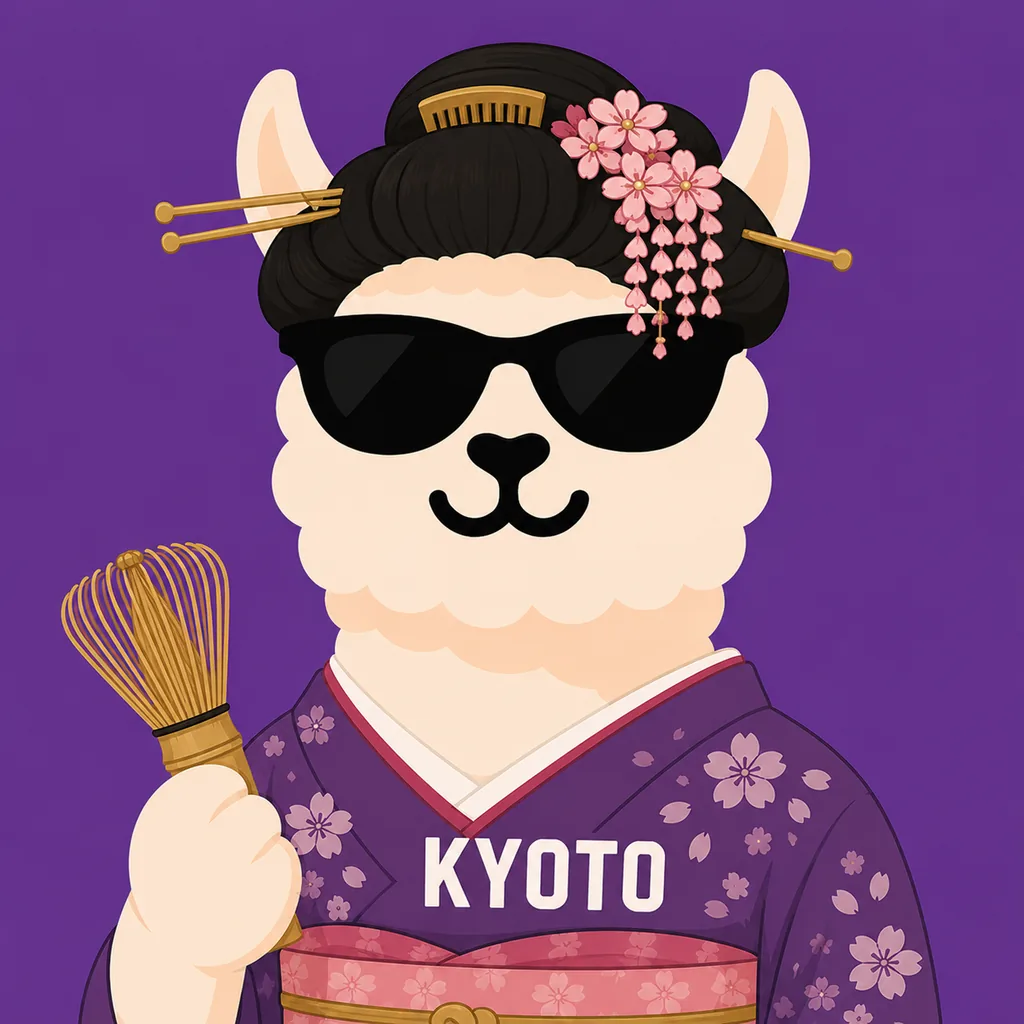
Kyoto, temples, tradition and a proper student town; bike everywhere, Osaka minutes away
Fukuoka, Kyushu's food capital: cheap, sunny, ramen and beaches, gateway to Korea
Kobe, cosmopolitan port between Osaka and Kyoto, hills-meets-sea, brilliant quality of life
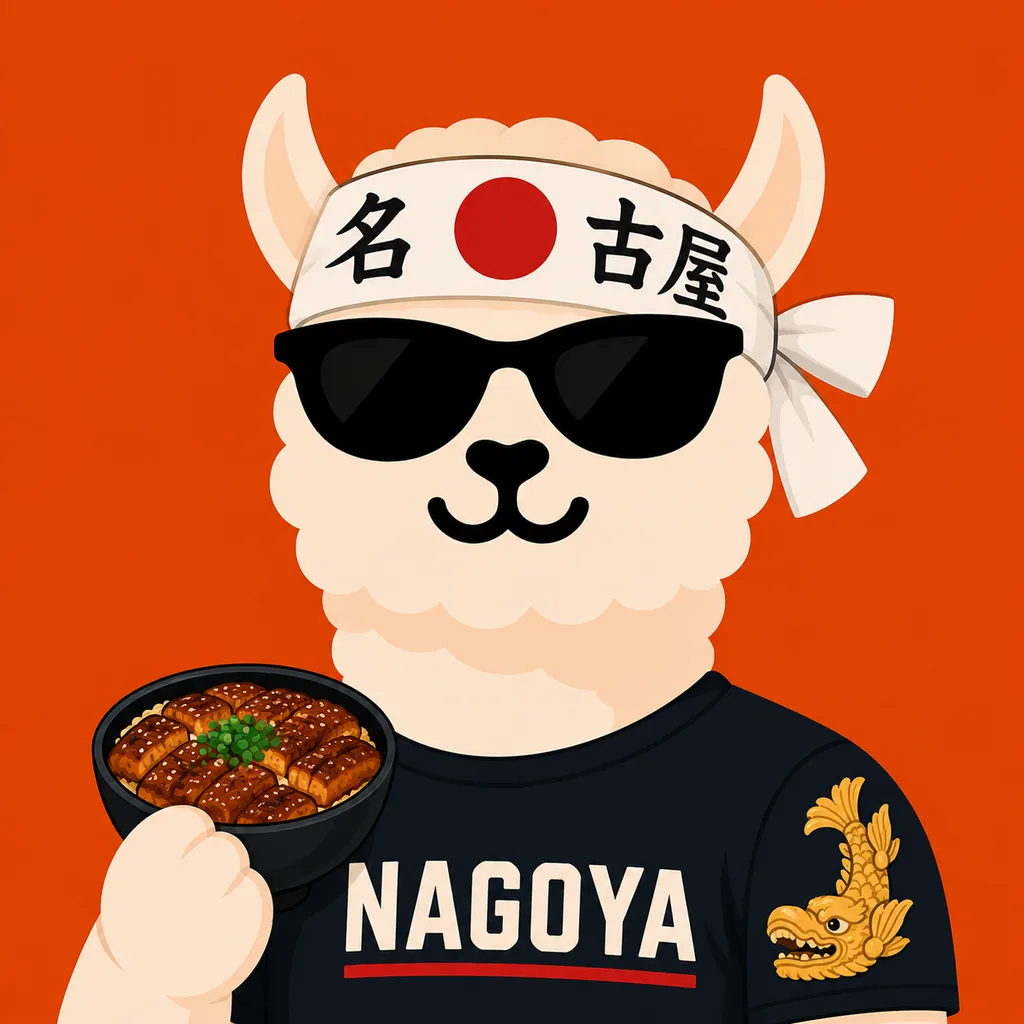
Nagoya, central and affordable, a handy base halfway between Tokyo and Kyoto
Beppu, hot-spring town home to bilingual, half-international Ritsumeikan APU; the softest landing
βοΈ
Travel & weekend trips
Weekends are where Japan pays off. Base yourself anywhere and there's a temple, volcano, hot spring or beach within a couple of hours. The trick for a broke student is overnight buses, the seasonal Seishun 18 local-train pass, and budget airlines for the longer hauls, and Japan is close enough to South Korea that a passport trip is genuinely affordable.
Kansai loop (KyotoβNaraβOsaka), temples, bowing deer, street food; cheap on local trains
Hiroshima + Miyajima, Peace Park and the floating torii, reachable by overnight bus
Mount Fuji / Fuji Five Lakes or Nikko, the classic day trips out of Tokyo
Seoul or Busan, South Korea: β¬80β150 return on Peach/Jetstar, especially from Fukuoka
Hokkaido or Okinawa, save up for snow festivals or beaches via budget flights
π‘
Insider tips & rookie mistakes
Most rookie mistakes in Japan are admin and etiquette, not danger. Sort the boring stuff in week one and you'll glide; ignore it and you'll spend a month fighting paperwork and eating cold noodles.
Get an IC card and set up your commuter pass the day you arrive
Carry cash, loads of restaurants and small shops still refuse cards
Learn hiragana and katakana before you fly; menus and signs suddenly click
Join a circle (club) in your first fortnight, it's how you meet locals
Open a foreigner-friendly bank account (Japan Post, Shinsei/SBI); get a hanko stamp if asked
Sort your rubbish exactly as the schedule says, or expect a stern note on your door
Exchange tools
Plan it before you fly.
Free tools to budget, pick a city and sort your paperwork.