



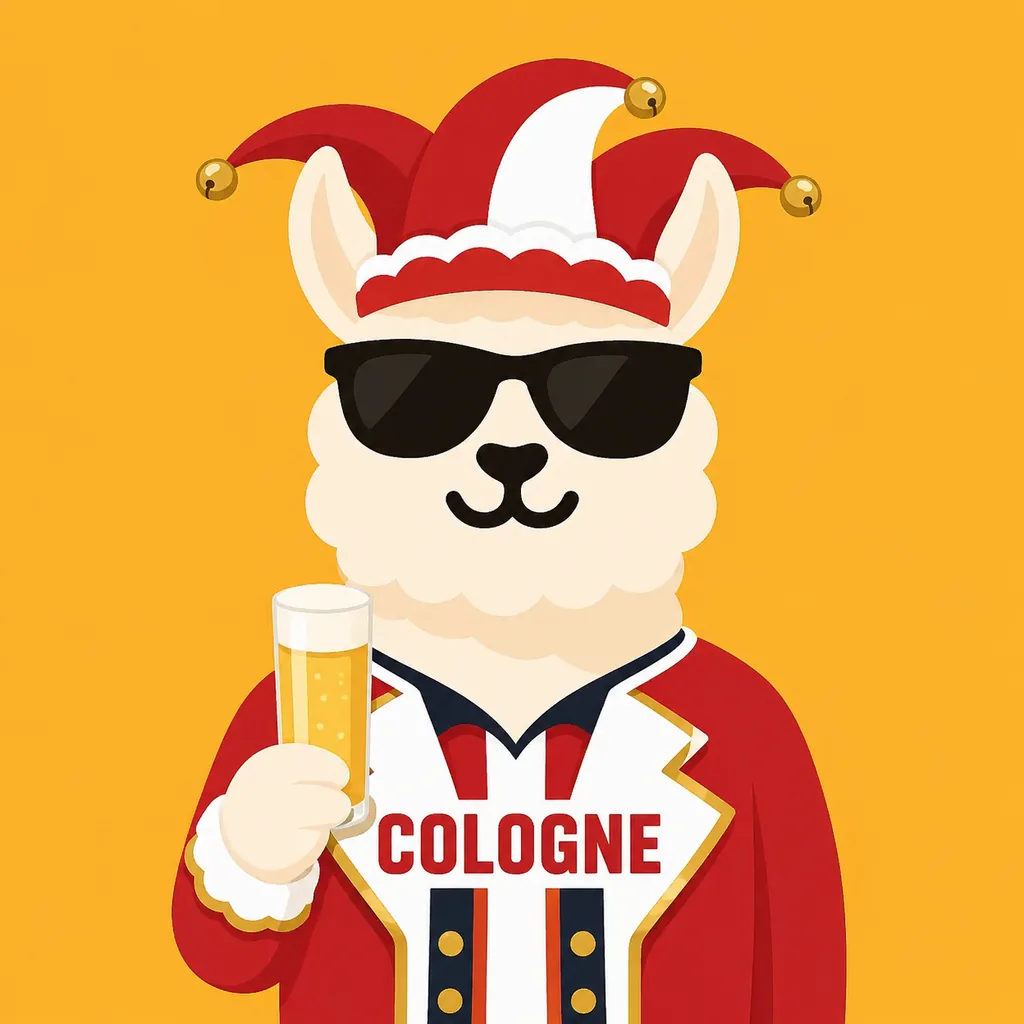
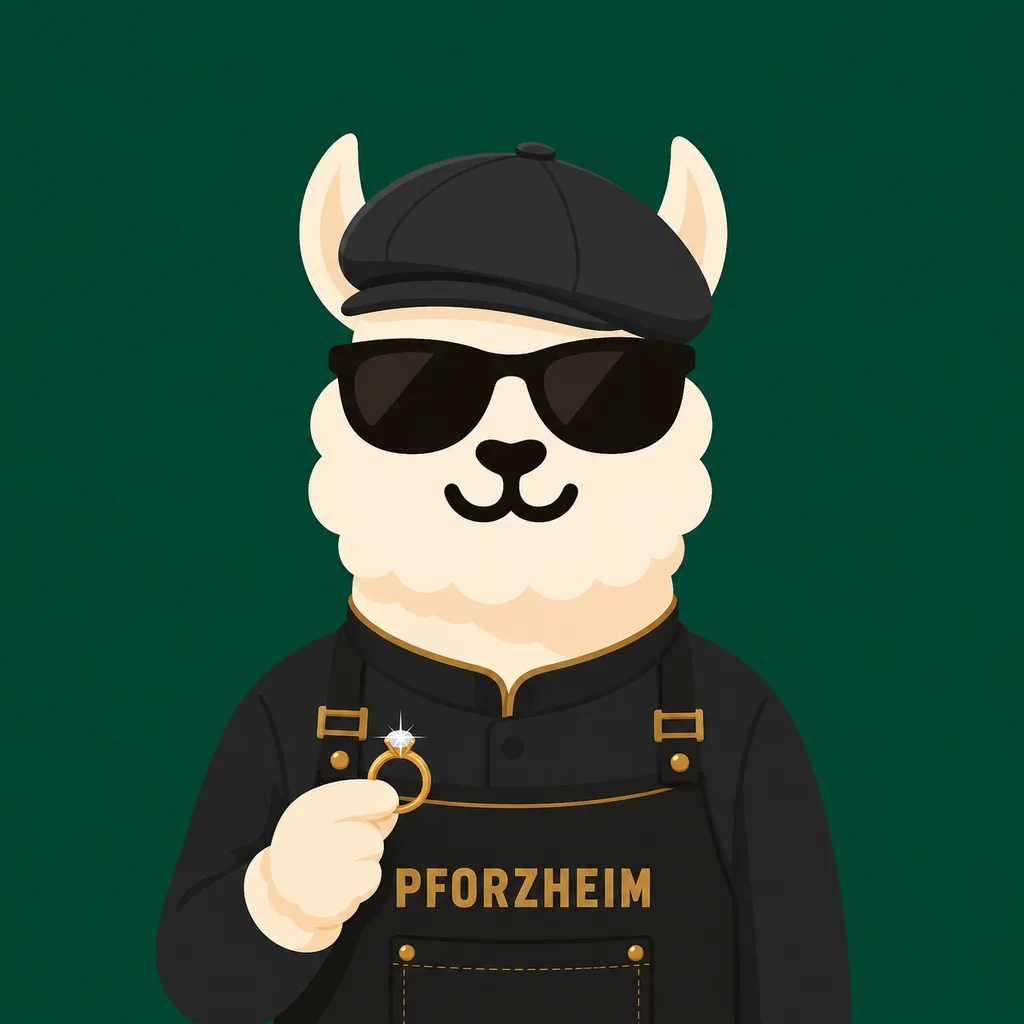
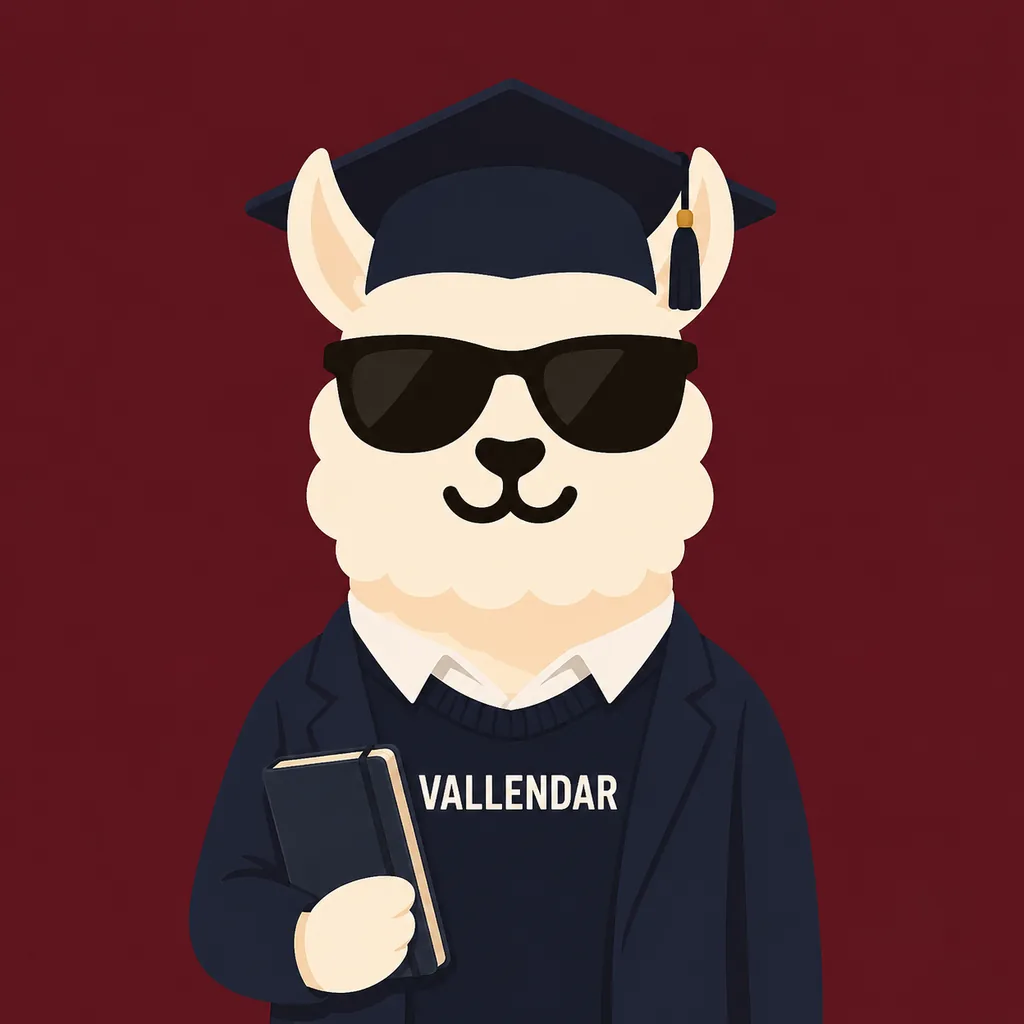





The cities we already have groups in, and how many students are inside.
0+Students in groups
0Cities with groups
Students in the network
329
329 students7 cities
Tap a region tab or a highlighted country on the map to explore your reach.
Top countries by reach
Country guide
Landing in Germany, sorted.
Germany is the value pick of European exchange: no tuition at public universities, a semester ticket that often covers regional trains, and cities that run from techno-fuelled Berlin to buttoned-up, wealthy Munich. It suits students who want serious academics, a low cost base, and a launchpad into the middle of Europe, and who won't be fazed by cash-only bakeries and a fondness for rules.
Currency
Euro (β¬)
Languages
German
Emergency number
112
Monthly budget
β¬850β1,300 / mo
When to go
Winter semester runs OctoberβMarch, summer semester AprilβSeptember β most exchanges start in October.
Getting around
Excellent U-Bahn, trams and buses everywhere, plus the Deutschlandticket (~58 EUR/month) covering regional transport across the whole country.
Visa in one line
Non-EU students apply for a national visa at the German embassy before travel, show a blocked account (~11k EUR) or funding proof, then convert it to a residence permit after arrival.
π
Why go on exchange in Germany
Germany offers a rare combo: elite, research-heavy universities that charge next to nothing, and a cost of living that is gentle by Western European standards outside Munich and Frankfurt. You get world-class engineering and sciences, a huge and growing range of English-taught courses, and a country sitting dead centre in Europe, so weekend trips to nine neighbouring countries are genuinely doable.
The flip side is that it can feel structured and a touch formal at first. Shops shut on Sundays, punctuality is non-negotiable, and a lot of admin still runs on paper and cash. Lean into the system rather than fighting it and you get an efficient, affordable, brilliantly-connected base for a semester or two.
π
Student life & the social scene
German student life is social but low-key: cheap Mensa lunches, Studentenwohnheim (halls) parties, and long nights that in Berlin genuinely run until Sunday. Uni bars and student pubs are cheap, beer is a food group, and StuRa/AStA student bodies plus the ESN Erasmus network run trips, tandems and parties that make the first weeks easy.
Beyond the Erasmus bubble, Germans can seem reserved but are loyal once you're in, and joining a Verein (club) or a Hochschulsport sports course is the fastest route to local friends. Cities each have a flavour: Berlin for underground everything, Cologne for its Carnival and easy warmth, Munich for beer gardens and money.
πΈ
Money & cost of living
Budget roughly 850 to 1,100 euros a month in most cities, rising to 1,200 to 1,500 in Munich, which is the priciest by a distance. Public universities charge no tuition, just a semester fee of around 150 to 350 euros that usually bundles in your transit ticket. The blocked-account rule for some visas means you show around 11,900 euros a year, but day-to-day spending is very manageable.
Groceries at Aldi, Lidl and Rewe are cheap, the Mensa does hot meals for a few euros, and tap water and cash discipline keep budgets tight. Carry cash: plenty of bakeries, bars and kiosks still refuse cards.
Semester fee (incl. transit): β¬150-350
Mensa hot meal: β¬3-4
Half-litre beer in a bar: β¬4-5
Monthly groceries: β¬200-250
Doner kebab (the student staple): β¬5-7
π
Finding a place to live
Most exchange students go for a Studentenwohnheim room via the local Studentenwerk (cheapest, apply the moment you're nominated) or a WG, a shared flat that is the heart of German student life. Search WG-Gesucht, Studenten-WG and ImmoScout24, and be ready for a WG-casting where flatmates interview you like a job. Big-city markets, especially Munich, Berlin and Frankfurt, are brutally tight, so start early.
Watch for the classic scam: a gorgeous cheap flat, an absent landlord, and a request to wire a deposit or send ID before viewing, often via a fake Airbnb-style holding service. Never pay before a viewing or verified video call. Budget for a Kaution (deposit) of one to three months' rent.
Studentenwohnheim room: β¬250-400
WG room, mid-size city: β¬400-550
WG room, Munich/Frankfurt: β¬600-800
Studio apartment: β¬600-1,000
π
Getting around
Your semester fee usually includes a Semesterticket covering local and regional transport, and increasingly the 49-euro Deutschlandticket, which lets you ride all regional trains, trams, U-Bahn and buses nationwide (just not the fast ICE/IC). Check exactly what your uni's ticket covers before buying anything extra. Cities are dense and bike-friendly, and Nextbike-style schemes are everywhere.
For intercity, Deutsche Bahn ICE trains are fast but pricey at full fare, so book Sparpreis tickets early or use a BahnCard 25/50 if you'll travel a lot. Flixbus and Flixtrain undercut DB on longer routes, and BlaBlaCar covers the gaps.
Germany invented ECTS-style rigour: 30 credits a semester is standard, and grades run 1.0 (best) to 5.0 (fail), where a 1.0-1.3 is excellent and a 2.x is a solid, normal result, so don't panic at the numbers. Teaching leans on independence: fewer contact hours, but you're expected to read, and a lot of modules stake everything on one final exam or paper. Standouts include TU Munich, LMU, Heidelberg, Humboldt and RWTH Aachen for engineering.
English-taught courses are broad at Master's level and in international programmes, thinner for Bachelor's, where German is often needed. Check your host faculty's actual exchange course catalogue, and note the odd German quirk that lectures start c.t. (a quarter-hour after the listed time).
π
Visas & the paperwork
It depends on your nationality. EU/EEA/Swiss students need no visa and just register locally. Non-EU students from many countries (US, UK, Canada, Australia, Japan and more) can enter visa-free and sort a residence permit after arrival; others must get a national student visa from a German consulate before travelling. Either way you'll likely prove funds via a blocked account (Sperrkonto) of around 11,900 euros a year.
After arrival, the rituals are the Anmeldung (registering your address at the Burgeramt within two weeks), German health insurance (public schemes like TK cost students around 120 euros a month), and, for non-EU students, the Aufenthaltstitel residence permit. Book appointments early; slots are scarce.
EU/EEA/Swiss, no visa, just register your address
US/UK/CA/AU/JP etc, enter visa-free, get residence permit after arrival
Blocked account (Sperrkonto), ~β¬11,900/year
Anmeldung at the Burgeramt within 2 weeks of moving in
π½οΈ
Food, culture & everyday life
German food is heartier than its reputation: bakeries on every corner, wurst and schnitzel, and a genuinely great multicultural street-food scene, with the Berlin doner and Vietnamese and Turkish food doing much of the heavy lifting for students. Bread and beer are taken seriously, Sunday is a dead zone with almost everything shut, and you'll pay a small Pfand deposit on bottles you reclaim at the supermarket machine.
Culturally, expect directness that reads as blunt but is meant honestly, deep respect for punctuality and rules (jaywalking earns tuts), and a strong outdoor culture the moment the sun appears. Learn a little German; even shaky attempts warm people up and daily admin runs smoother.
ποΈ
Best cities for your exchange
Germany's cities are wildly different in mood and price. Here's who each of your fetched options suits.
Berlin, for creatives and night owls who want a cheap, chaotic, endlessly diverse capital
Cologne, for an easygoing, welcoming Rhineland city with legendary Carnival
Dortmund, for affordable Ruhr-region living and football-mad, down-to-earth locals
Frankfurt, for finance and business students who want an international, well-connected hub
Munich, for wealthy, polished Bavaria, beer gardens and the Alps, if your budget can take it
Pforzheim, for design and business students wanting a small, focused campus near the Black Forest
Valendar, for a quiet, small-town study base on the Rhine near Koblenz
βοΈ
Travel & weekend trips
Germany's central position and the Deutschlandticket make it one of the best travel bases in Europe. Regional trains covered by your ticket can carry you across the country for the price you already paid, and you border nine countries, so Amsterdam, Prague, Vienna, Zurich and Copenhagen are all long-weekend range. Budget airlines and Flixbus fill in the rest cheaply.
Inside Germany, mix the obvious with the underrated: the Black Forest, the Baltic coast and Saxon Switzerland reward a slow weekend far more than another big-city stag do.
Berlin to Prague, bus/train ~4-5h, from β¬15
Cologne to Amsterdam, ICE ~2h45
Munich to the Alps or Salzburg, under 2h
Frankfurt to Strasbourg (France), ~2h
Berlin to Copenhagen, train/bus ~7h, or a cheap flight
π‘
Insider tips & rookie mistakes
The students who struggle in Germany are usually the ones who underestimate the paperwork and overestimate card acceptance. Sort these and the rest is smooth.
Carry cash always, countless bakeries, bars and kiosks still refuse cards
Book your Anmeldung appointment the day you get an address; slots disappear fast
Sort German public health insurance early, you can't enrol without it
Start your housing search the moment you're nominated; Munich and Berlin sell out
Buy the Deutschlandticket only after checking what your Semesterticket already covers
Never wire a deposit before a real or verified video viewing
Exchange tools
Plan it before you fly.
Free tools to budget, pick a city and sort your paperwork.