
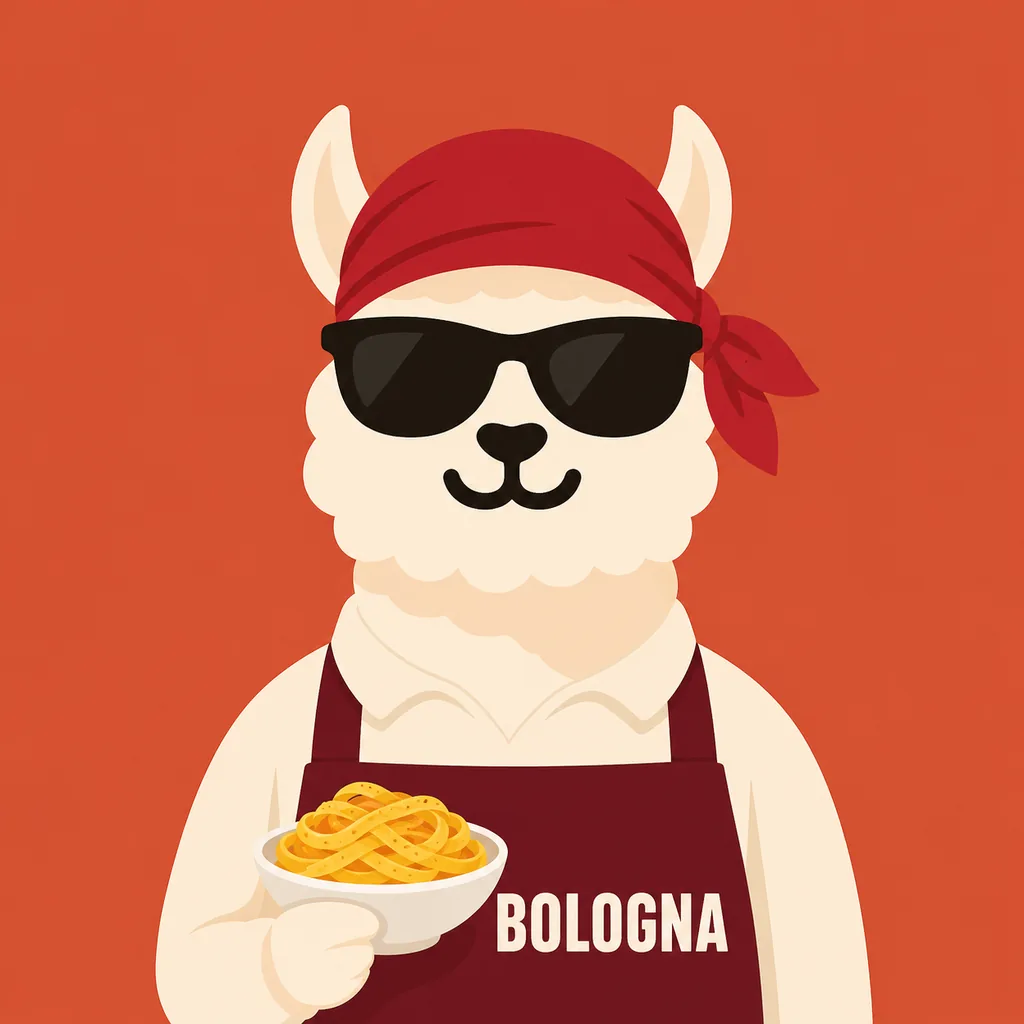

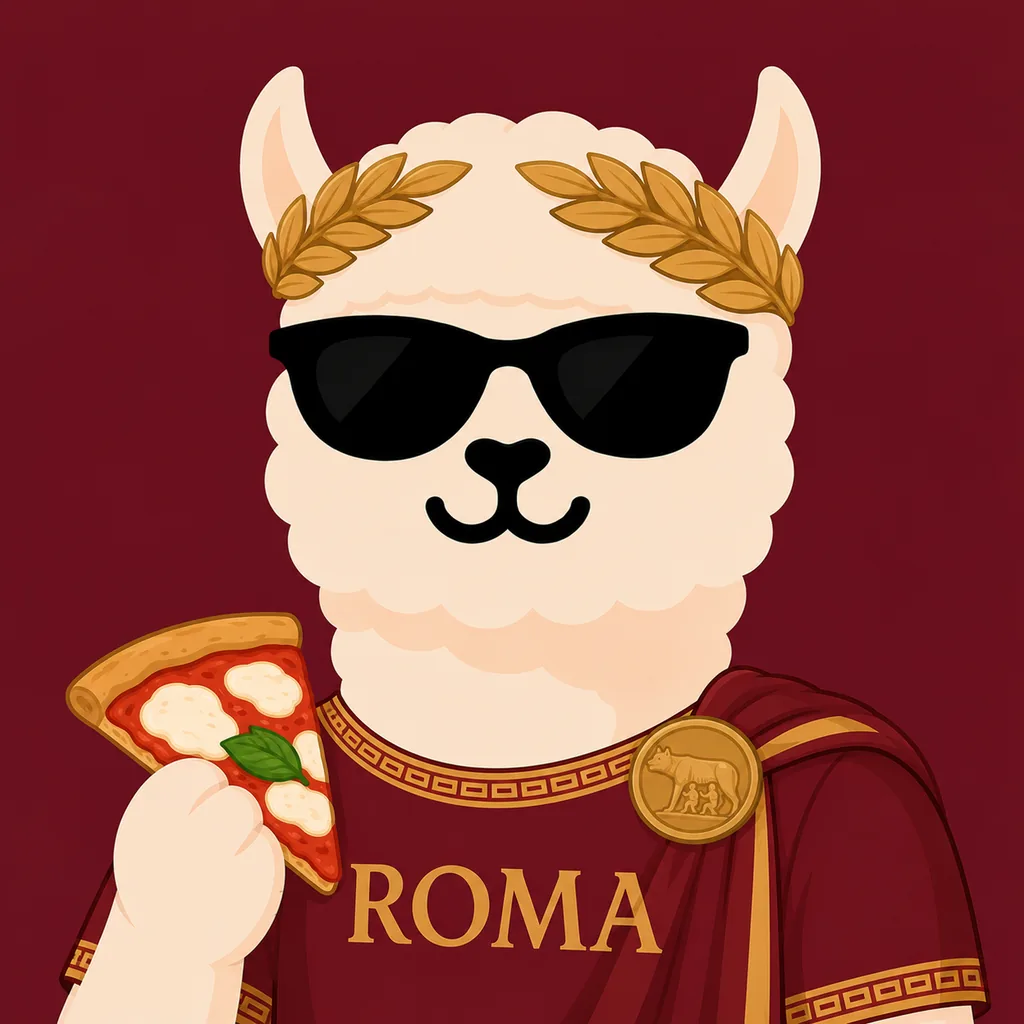
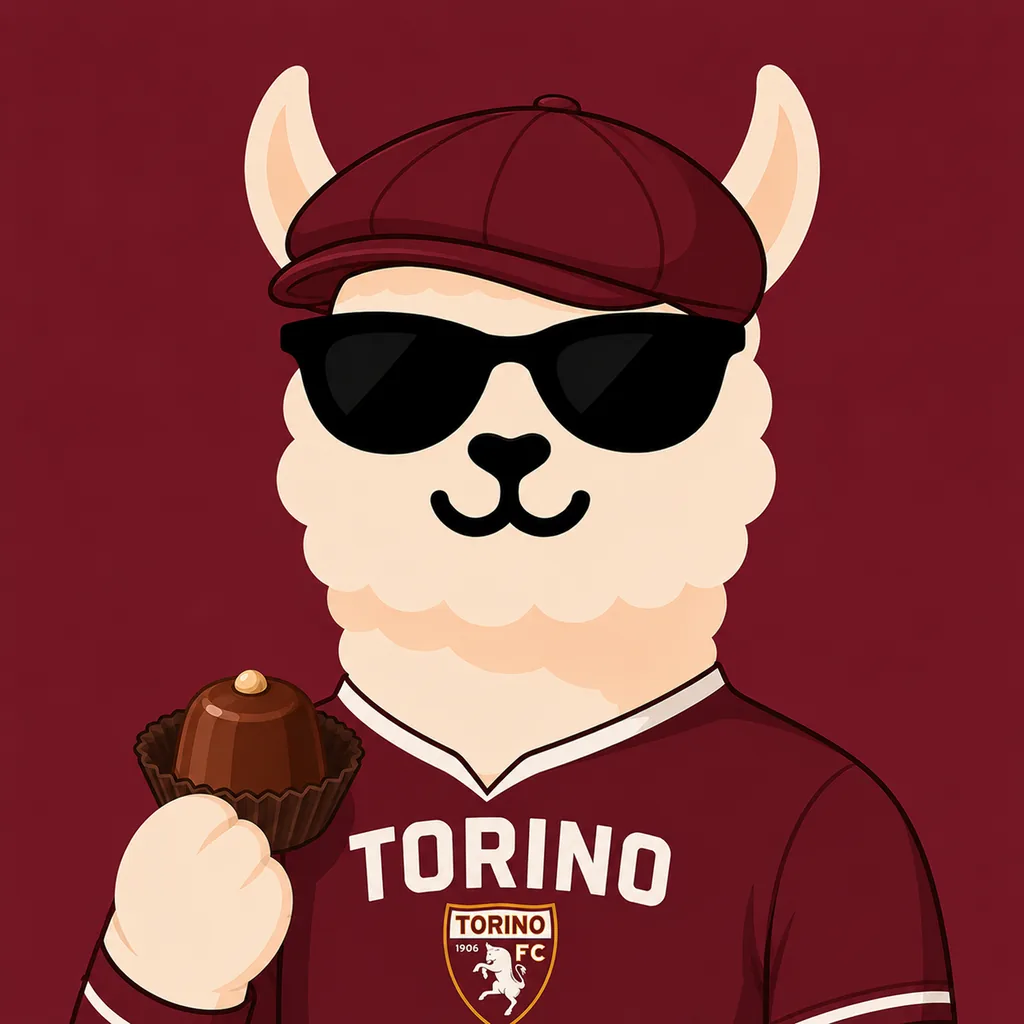

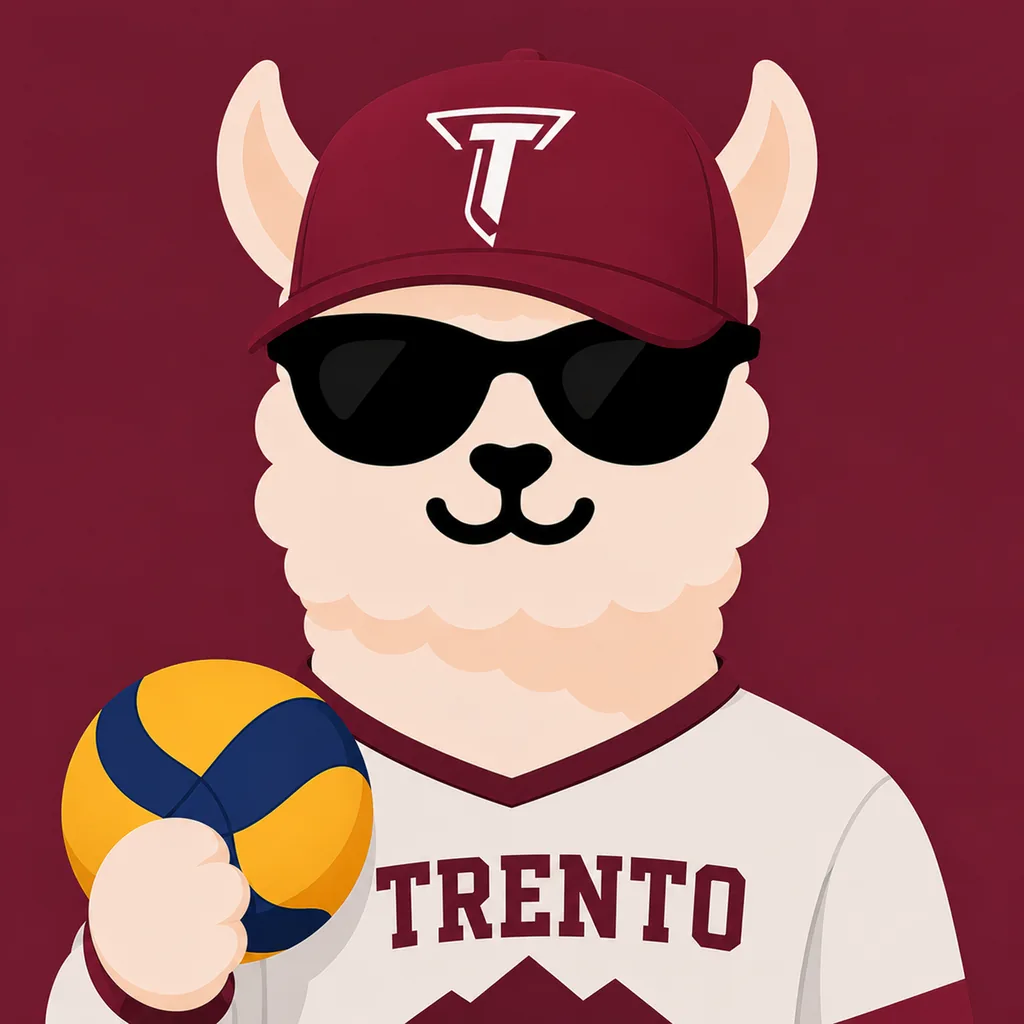








The cities we already have groups in, and how many students are inside.
0+Students in groups
0Cities with groups
Students in the network
1,206
1,206 students12 cities
Tap a region tab or a highlighted country on the map to explore your reach.
Top countries by reach
Country guide
Landing in Italy, sorted.
Studying in Italy means cheap espresso, aperitivo culture and some of Europe's oldest universities set in cities that look like film sets. It suits students who want warmth, history and la dolce vita over slick efficiency, and who can roll with a bit of bureaucracy in exchange for four-euro pizzas and weekend trips to the Alps or the coast.
Currency
Euro (โฌ)
Languages
Italian
Emergency number
112
Monthly budget
โฌ750โ1,300 / mo
When to go
Fall semester runs SepโJan, spring FebโJul โ September arrival means warm weather and city festivals before winter.
Getting around
Cheap regional trains connect everything, high-speed Frecciarossa/Italo for big hops, and city metros/trams cost about โฌ35/month with a student pass.
Visa in one line
Non-EU students need a type D study visa from the Italian consulate before arrival, then must apply for a permesso di soggiorno at the post office within 8 working days of landing.
๐
Why go on exchange in Italy
Italy is the exchange you pick with your heart. You get world-class art, food that ruins you for anywhere else, and a pace of life built around long lunches and evening passeggiate. Erasmus students flood in every year, so there is a ready-made social scene wherever you land, from Milan's fashion crowd to Bologna's student haze.
The trade-off is bureaucracy and a slower rhythm. Offices close at odd hours and 'domani' often means next week. But if you want to actually live somewhere rather than just study, Italy delivers: cheap wine, cheap trains and a country where a single weekend can mean Florence, the Dolomites or a Sicilian beach.
๐
Student life & the social scene
Aperitivo is the backbone of the social scene. From around 6pm you buy a spritz for seven or eight euros and raid the free buffet, which doubles as dinner if you are skint. University cities have huge Erasmus networks running pub crawls, trips and language tandems, so you will have plans within your first week.
Nightlife runs later than you are used to: bars fill after 10pm and clubs after midnight. Bologna and Rome have proper student districts, while Milan leans polished and pricey. Join your faculty's WhatsApp groups and the local ESN chapter; that is where the parties, cheap trips and flat leads actually circulate.
๐ธ
Money & cost of living
Italy is cheap by Western European standards, especially south of Rome. A monthly budget of 800 to 1,100 euros covers you comfortably in most cities, though Milan and to a lesser extent Rome push that higher. Groceries, coffee and eating out are the real wins: a sit-down pizza and a beer rarely tops 15 euros.
Rent is the swing factor. You will spend the bulk of your budget on a room, then very little on daily life. Aperitivo, cheap regional trains and student discounts keep the rest manageable, and public universities charge modest fees compared with the UK or US.
Room in a shared flat: โฌ350-650/month
Cappuccino at the bar: โฌ1.20-1.80
Aperitivo (spritz + buffet): โฌ7-10
Monthly transport pass: โฌ25-40
Sit-down pizza + drink: โฌ12-15
๐
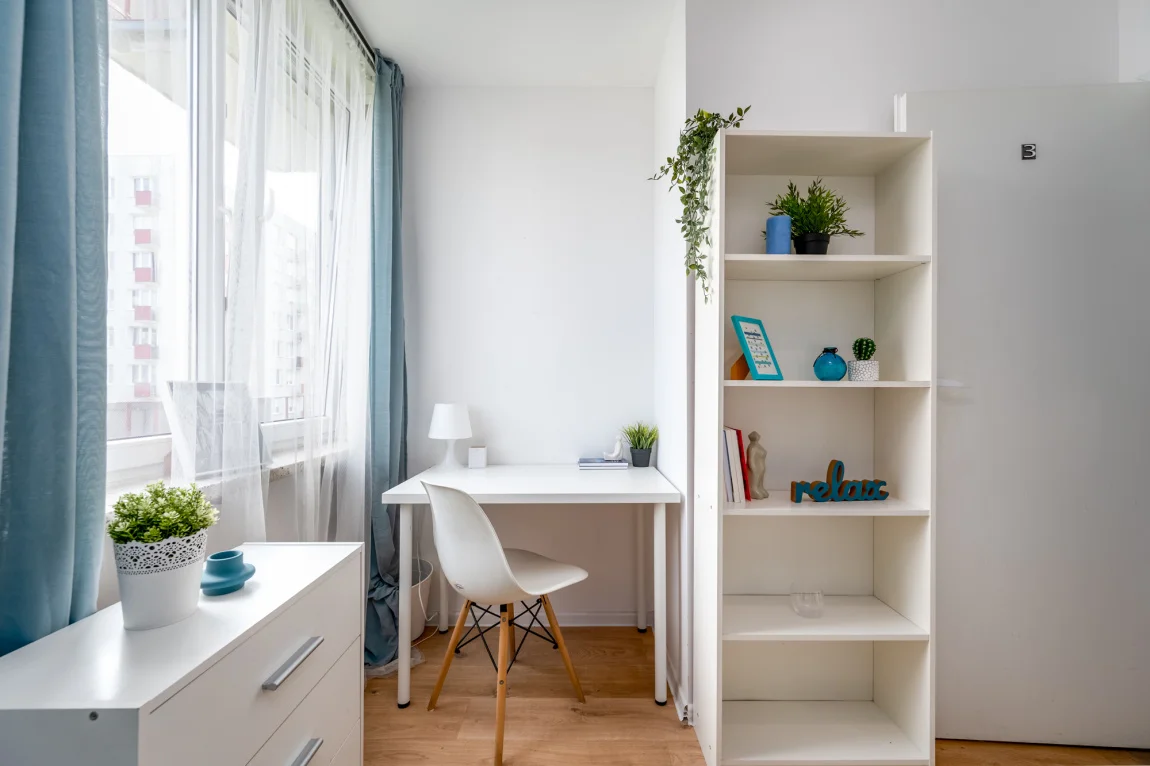
Finding a place to live
Most students live in shared flats rather than dorms, since university housing is limited and often reserved for full degree students. Search on Idealista, Immobiliare.it and city-specific Facebook groups like 'rooms in Bologna'. The big cities are competitive, so start looking a month or two ahead and be ready to view places fast.
Watch for scams: never pay a deposit or reservation fee before seeing a place in person or on a verified video call, and be wary of landlords who will not register your contract. Ask whether bills and the building's condominio fees are included before you sign anything.
Bologna / Turin room: โฌ350-500
Milan room: โฌ500-700+
Rome room: โฌ450-600
๐
Getting around
Cities are walkable and served by cheap buses, trams and metros. A monthly pass runs 25 to 40 euros and students often get reduced rates. Get your city's transport app (ATM in Milan, ATAC in Rome) and always validate paper tickets or you will be fined. Bikes are everywhere in flat cities like Bologna and Padova.
For intercity travel, Trenitalia and Italo run fast trains: Milan to Rome in about three hours, Bologna to Florence in 40 minutes. Book regionale trains for cheap short hops and high-speed Frecce or Italo well in advance for deals. FlixBus covers routes the trains miss.
Monthly city transport pass: โฌ25-40
Milan-Rome high-speed train, from โฌ30 booked early
Regional train Bologna-Florence, around โฌ10
๐
Universities & academics
Italian universities use CFU credits that map one-to-one to ECTS, with 60 per year, so a semester is typically 30. Grading is out of 30: 18 is a pass, 30 the top, and 30 e lode the coveted distinction. Assessment leans heavily on oral exams, which feel intimidating but are often more forgiving than a written one if you can talk your way through.
The workload is manageable but the calendar is loose, with exam sessions stretching across January to February and June to July, usually with multiple attempts. English-taught programmes are common at Bocconi, Politecnico di Milano, Padova and Bologna, though smaller southern unis may expect some Italian. Standouts include Bologna, Europe's oldest, and Sapienza in Rome.
๐
Visas & the paperwork
If you are an EU or EEA citizen you need nothing beyond registering your residence if you stay past 90 days. Non-EU students almost always need a national type D study visa arranged through the Italian consulate before arrival, plus proof of enrolment, funds and health insurance. Exactly what you need depends on your nationality, so check with your consulate early.
Once in Italy, non-EU students must apply for a permesso di soggiorno, the residence permit, within eight days of arrival, using a post office kit and a police questura appointment. It is slow and paperwork-heavy, so bring photocopies of everything and expect queues. Your university's international office will usually walk you through it.
EU/EEA, no visa; register if staying 90+ days
Non-EU, type D study visa from your consulate
After arrival, permesso di soggiorno within 8 days
๐ฝ๏ธ
Food, culture & everyday life
Food is close to religion here, and the rules matter: cappuccino is a morning-only drink, pasta portions are modest, and dinner starts late. Regional pride runs deep, with pizza in Naples, ragรน in Bologna, aperitivo in Milan and arancini in Sicily, and eating local is both cheaper and better. Coffee is drunk standing at the bar in seconds, not nursed in a takeaway cup.
Daily life runs on relationships and a slower clock. Shops may shut for a midday break, Sundays are quiet, and a bit of Italian goes a long way even in tourist-heavy cities. People are warm and expressive, so learn the greetings, do not rush your meals, and you will be adopted quickly.
๐๏ธ
Best cities for your exchange
Where you land shapes your whole exchange. Italy's student cities range from buzzing metropolises to compact university towns, each with its own personality and price tag.
Bari, coastal Puglia city with cheap living and southern warmth, for beach-lovers
Bergamo, pretty walled town near Milan, calmer and cheaper with easy city access
Bologna, the ultimate student city: cheap, radical and packed with nightlife
Castellanza, small town near Milan built around LIUC, for a quiet business-school stint
Lecce, baroque Florence of the South, slow, sunny and very affordable
Milan, fashion, finance and the best nightlife, if you can afford the rent
Naples, chaotic, cheap and unforgettable, for students who want the real Italy
Padova, historic university town near Venice, bike-friendly and lively
Parma, foodie heartland, wealthy and relaxed for a gentler pace
Rome, history on every corner, big and beautiful but bureaucratic
Trento, Alpine base near the Dolomites, for skiers and outdoorsy types
Turin, elegant, underrated and cheaper than Milan, with cafes and the Alps nearby
โ๏ธ
Travel & weekend trips
Italy is a launchpad. Cheap high-speed trains and budget flights from hubs like Milan, Rome and Bergamo put half of Europe within a weekend, and the country itself is endlessly explorable. A single semester can cover the Dolomites, Tuscany, the Amalfi Coast and the islands without much effort.
Ryanair and easyJet run dirt-cheap routes from northern airports, so a weekend in Barcelona or Vienna can cost less than a night out. Plan around your exam sessions and book Frecce trains early for the best fares.
Cinque Terre, postcard coastal hikes, easy from Florence or Milan
The Dolomites, skiing and hiking from Trento or Bolzano
Amalfi Coast, day trips from Naples in summer
Venice, under two hours from Padova or Bologna
Ryanair from Bergamo, European city breaks from โฌ20 return
๐ก
Insider tips & rookie mistakes
A few things save you real grief. Italians run on personal contact and patience, so sort your paperwork early and do not expect anything to be online-first.
Validate every paper train and bus ticket or you will be fined on the spot
Skip the cappuccino after a meal if you want to blend in
Learn basic Italian greetings and numbers, it opens doors, especially down south
Start your permesso di soggiorno and flat hunt immediately, not after settling in
Carry some cash; small bars and shops still snub cards for tiny purchases
Get a codice fiscale tax code early, you need it for contracts and SIM cards
Exchange tools
Plan it before you fly.
Free tools to budget, pick a city and sort your paperwork.