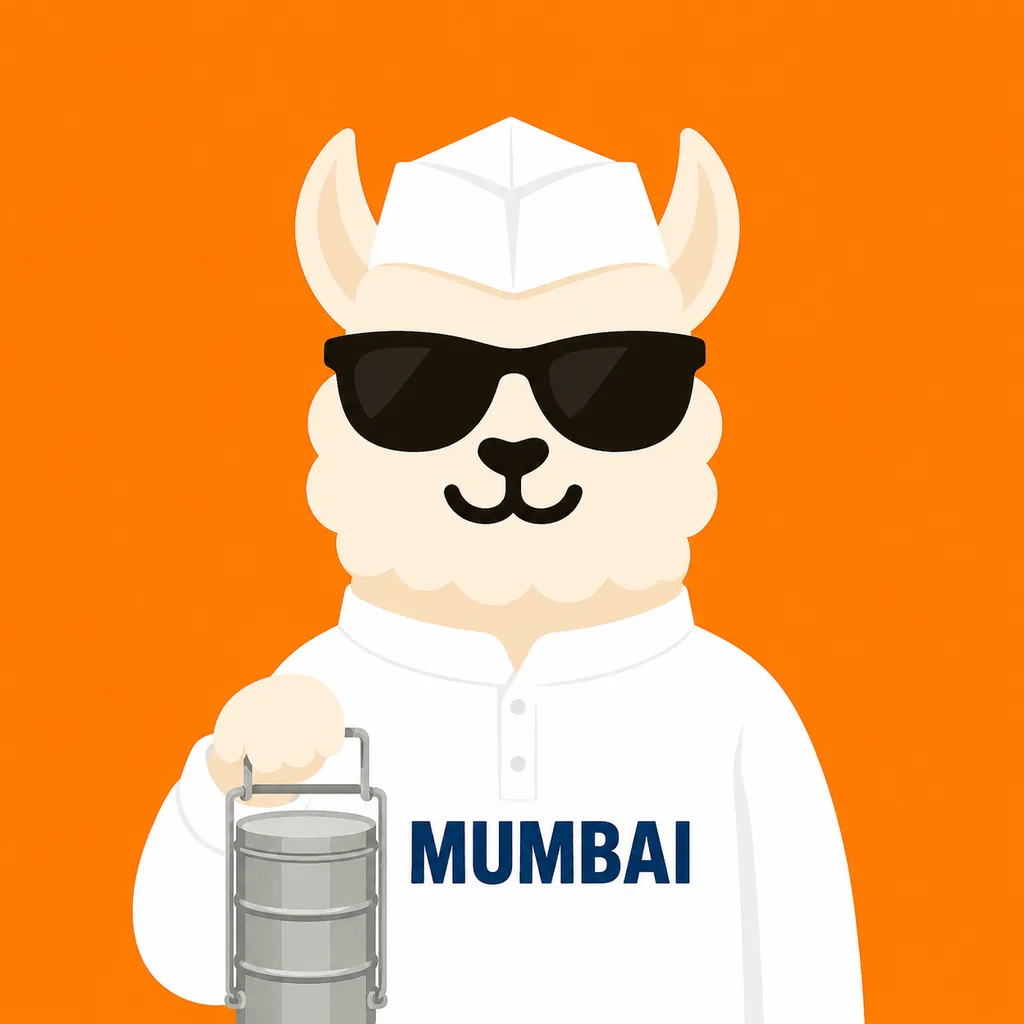
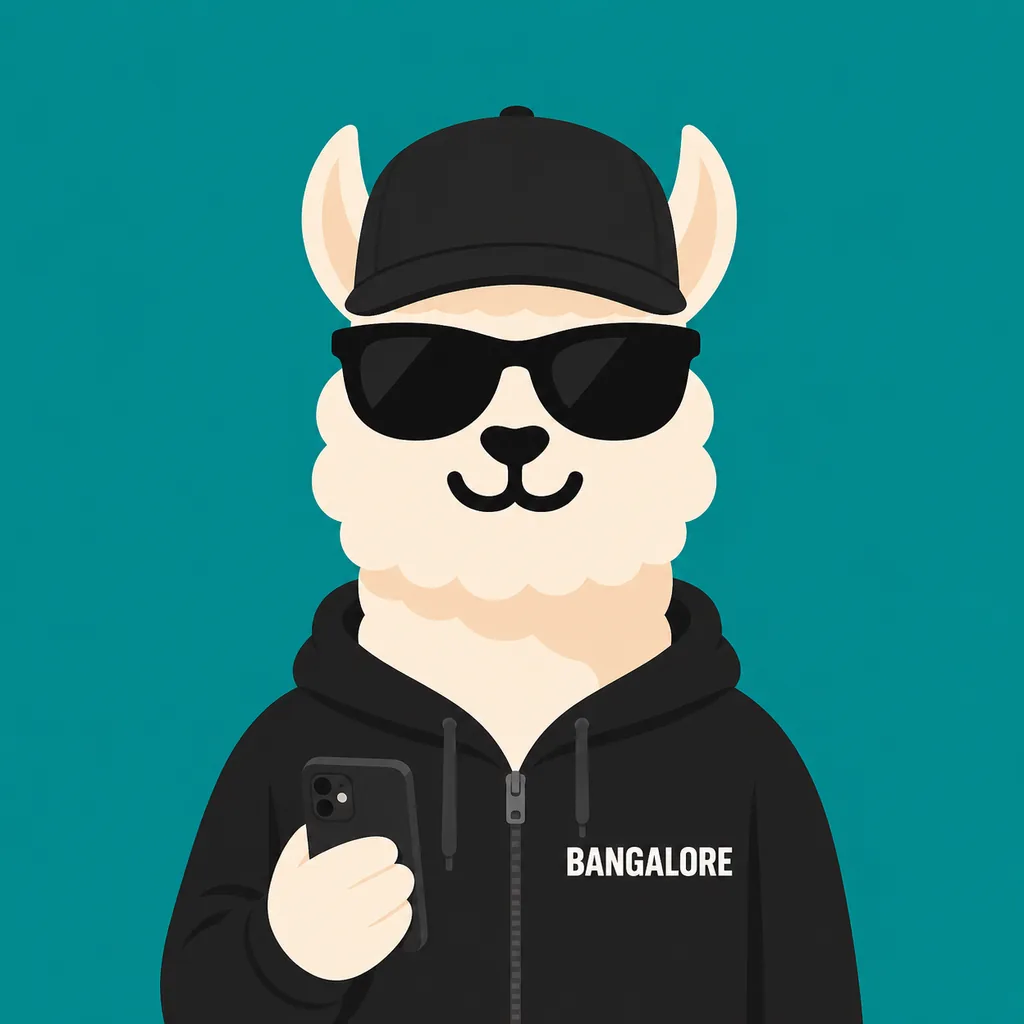
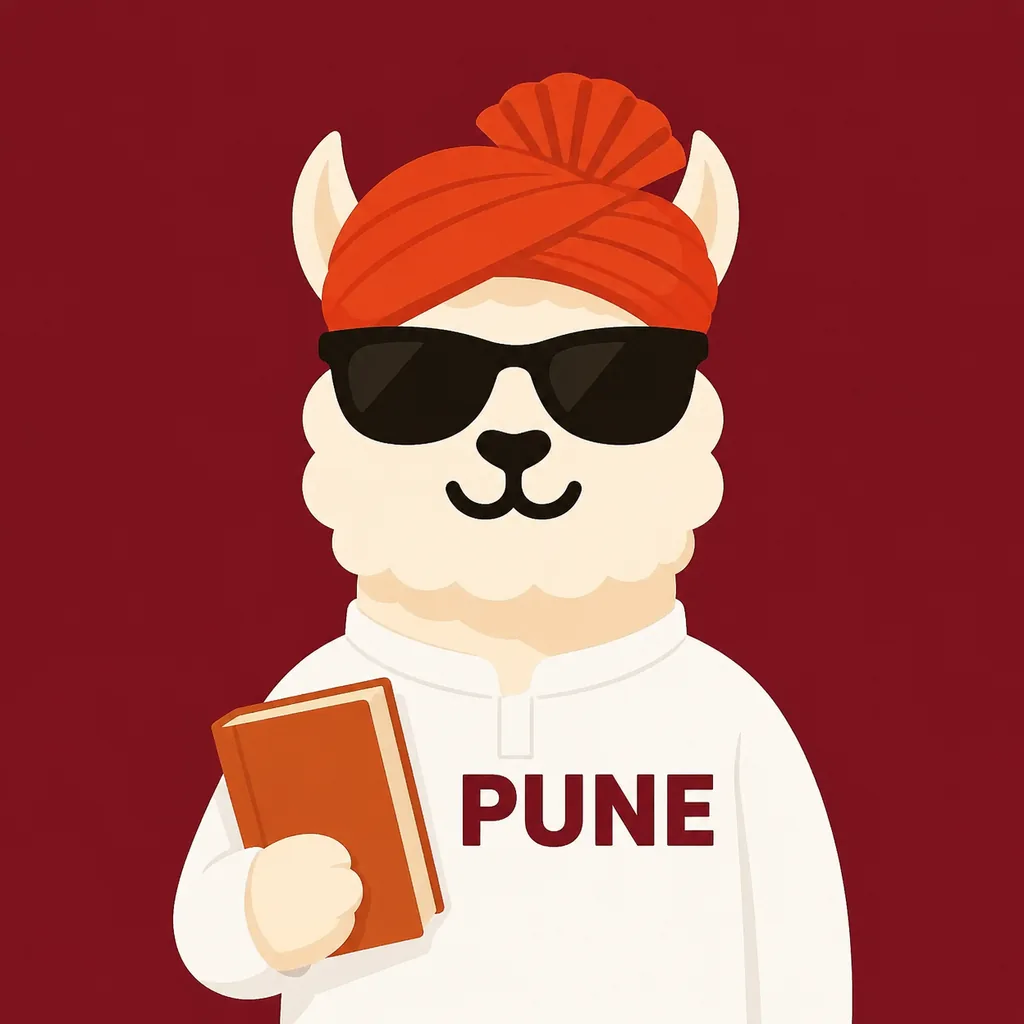
An exchange in India is loud, cheap, overwhelming and completely unforgettable, closer to a full reset than a normal semester abroad. Your money stretches absurdly far, English gets you a long way, and something happens every single day: a festival, a wedding invite from someone you met an hour ago, a train ride that turns into a five-hour conversation. You will be frustrated and delighted, often before lunch.
It suits you if you are curious, adaptable and not thrown by noise, crowds or things running late. If you need everything orderly, quiet and predictable, this will grind you down. But lean into it and you come back with stories nobody else on your course can touch, and a much higher tolerance for chaos.
🎉
Student life & the social scene
Indian campus life is intensely social and you will not stay a stranger for long. Students are genuinely curious about exchange kids, so expect to be pulled into chai breaks, canteen debates, cricket matches, dance practice and a dozen WhatsApp groups within your first week. College societies and inter-college 'fests' are a huge deal, they draw thousands and are half the reason people pick a university.
Nightlife is real but tamer than Europe: bars often shut by 1am, alcohol is taxed and state-regulated, and Maharashtra technically sets the drinking age at 25. So a lot of socialising happens over endless cafe coffees, campus fests and house parties. Say yes to festival invites, Holi and Diwali with local friends beat any club.
💸
Money & cost of living
India is one of the cheapest destinations on the Erasmus map, most students live comfortably on €400–600 a month, and you would have to try hard to spend €800. Street food, chai, rickshaws, mobile data and haircuts cost almost nothing, so your euros feel like Monopoly money for the first few weeks.
The big variable is your city. Mumbai rents are several times what you pay in Pune or Chennai, and a Western lifestyle, imported groceries, craft beer, Ubers everywhere, adds up faster than you expect. Your real budget-killer, though, will be travel: once you realise a weekend in Goa or Kerala costs less than a night out in Berlin, you will never stay home.
Room in a shared flat or PG: €120–300/mo
Thali or canteen lunch: €1–3
Monthly transport (metro + rickshaws): €25–40/mo
Unlimited-data SIM (Jio/Airtel): €2/mo
A pint in a bar: €3–5
🏠
Finding a place to live
Most Indian students live in on-campus hostels, which are dirt cheap but come with rules Europeans find wild: gender-segregated blocks, curfews, sometimes no opposite-sex visitors. Exchange students often prefer a 'PG' (paying-guest), a room in a house with meals and cleaning included, or a shared flat with other internationals for more freedom. PGs run €120–250 a month; a room in a shared flat €150–350 depending on the city and whether it is furnished.
Search on NoBroker, Magicbricks, 99acres and student Facebook/WhatsApp groups, and use NoBroker to dodge the agents who charge a month's rent as commission. The classic scam: a 'landlord' asks for a deposit before you have seen the place. Never pay anything before viewing in person or on a live video call, and always get a written agreement.
University hostel, cheapest, but curfews and rules, under €80/mo
PG with meals included: €120–250/mo
Room in a shared flat (NoBroker/Magicbricks): €150–350/mo
Never send a deposit before a real or live video viewing
🚆
Getting around
Getting around town means auto-rickshaws, app cabs (Uber and the local Ola), and metros that now cover Mumbai, Bangalore, Chennai, Delhi and more. Metros are clean, cheap and air-conditioned, get the smart card. For rickshaws, either insist on the meter or agree the fare before you climb in, because the 'foreigner price' is real. Local trains and buses are cheapest of all, but Mumbai rush hour is a full-contact sport.
Intercity is where India shines: the railway network is enormous and absurdly cheap, and booking on IRCTC (make an account early, it is fiddly) opens up overnight sleeper trains for a few euros. For longer hops, budget airlines like IndiGo fly across the country from around €30 if you book ahead.
Metro smart card: €20–35/mo
Uber/Ola auto across town: €1–3
Overnight sleeper train, Mumbai–Goa, around €8
Domestic flight (IndiGo) booked ahead, from €30
🎓
Universities & academics
Teaching leans more traditional than you are used to: lectures, prescribed textbooks, strict attendance (often a 75% minimum or you cannot sit exams), and more continuous assessment through quizzes, assignments and mid-terms than one big final. Professors are addressed formally ('Sir'/'Ma'am') and the hierarchy is real, though most are warm once you break the ice. Grading uses a 10-point CGPA rather than percentages or ECTS, so confirm the conversion with your home coordinator early.
Plenty is taught in English, especially at the top institutions, so language is rarely the barrier. Workload can be heavier than expected because assessment never really stops. Standouts include the IITs (elite, brutal, engineering-focused), IISc Bangalore, the IIMs for business, plus strong all-rounders like Delhi University, Christ University Bangalore, Symbiosis and Savitribai Phule Pune University.
🛂
Visas & the paperwork
Whatever your nationality, unless you hold an Indian passport or OCI card, you need an Indian Student Visa arranged before you fly. A tourist visa or e-Tourist visa will not cover a semester of enrolment. You apply through an Indian embassy or consulate, or the official Indian Visa Online portal, with your admission letter, proof of funds, accommodation details and passport photos. Exact cost, processing time and whether you can do it fully online all depend on your nationality, so start six to eight weeks out.
The bit students forget: if your visa is valid for more than 180 days, you must register with the local FRRO (Foreigners Regional Registration Office) within 14 days of arriving. Your university's international office walks you through it, but do it on time, miss the window and you are looking at fines.
Get a Student Visa, not a tourist e-Visa, for a full semester
Documents: admission letter, proof of funds, accommodation, photos
Register with the FRRO within 14 days if your visa exceeds 180 days
Start the application 6–8 weeks before you fly
🍽️
Food, culture & everyday life
You will eat astonishingly well and cheaply, and it changes completely by region: fluffy idli and dosa in Chennai, vada pav and seafood in Mumbai, dosa-and-filter-coffee culture in Bangalore, Maharashtrian thalis in Pune. Vegetarians are spoiled, much of the country is veg, so it is the easiest place on earth to skip meat. Meals run late (lunch 1–2pm, dinner often after 8), and chai is less a drink than a social ritual you will repeat five times a day.
A few things trip students up: eat and pass things with your right hand, take your shoes off entering homes and temples, and dress a bit more modestly than at home, especially at religious sites. Bargaining is normal in markets, not in shops. And the festivals are unmissable, Diwali, Holi, Ganesh Chaturthi in Mumbai and Pune, Navratri, so go all in whenever a local invites you.
🏙️
Best cities for your exchange
Studcasa's Indian cities sit in the south and west, and they feel like different countries. Weather, pace, language and cost swing hard between them, so choose for lifestyle as much as your course list.
Bangalore, mild weather, tech-and-startup energy and India's best pub scene; for the comfort-seeker who still wants buzz
Chennai, hot, humid, proudly Tamil, with beaches and temple culture; for the deep-diver on a tight budget
Mumbai, loud, fast, Bollywood and sea air, the most European-feeling nightlife; for the big-city thrill-seeker with more cash
Pune, India's student capital, laid-back and cheaper than neighbouring Mumbai; for the easy-mode first-timer
✈️
Travel & weekend trips
India is enormous, so a 'weekend trip' can mean an overnight train and a totally different climate, cuisine and language. The good news for a broke student: sleeper trains and budget flights make it all reachable, hostels cost €5–12 a night, and you can see a staggering amount in one semester if you plan around long weekends and festival holidays.
Base your trips on your city. From Mumbai or Pune, Goa's beaches and Hampi's ruins are overnight hops. From Bangalore or Chennai, Kerala's backwaters, Hampi and Pondicherry are easy. If you splurge once, do the Golden Triangle for the Taj Mahal, and if you want to leave the country cheaply, Sri Lanka and Nepal are short flights away.
Goa, overnight train or bus from Mumbai/Pune, beach hostels under €10/night
Hampi, surreal boulders and ruins, easy from Bangalore or Pune
Kerala backwaters, houseboats and beaches, cheapest off-season
Golden Triangle (Delhi–Agra–Jaipur), the Taj Mahal on a long weekend, flights from €40
Sri Lanka or Nepal, a short, cheap flight for an international getaway
💡
Insider tips & rookie mistakes
Most rookie mistakes in India come from treating it like Europe. A few small habits, the right SIM, a payments app, some stomach caution, save you weeks of hassle and turn the chaos into fun.
Grab a Jio or Airtel SIM on day one, you need it for UPI and every app
Set up UPI (Google Pay/PhonePe); India runs on QR codes, not cash or cards
Agree the rickshaw fare or insist on the meter before you set off
Drink filtered or bottled water and ease into street food, give your gut a week
Dress a little more covered than at home, especially outside the big metros
Say yes to the festival or wedding invite, it will be the highlight of your term
Exchange tools
Plan it before you fly.
Free tools to budget, pick a city and sort your paperwork.