
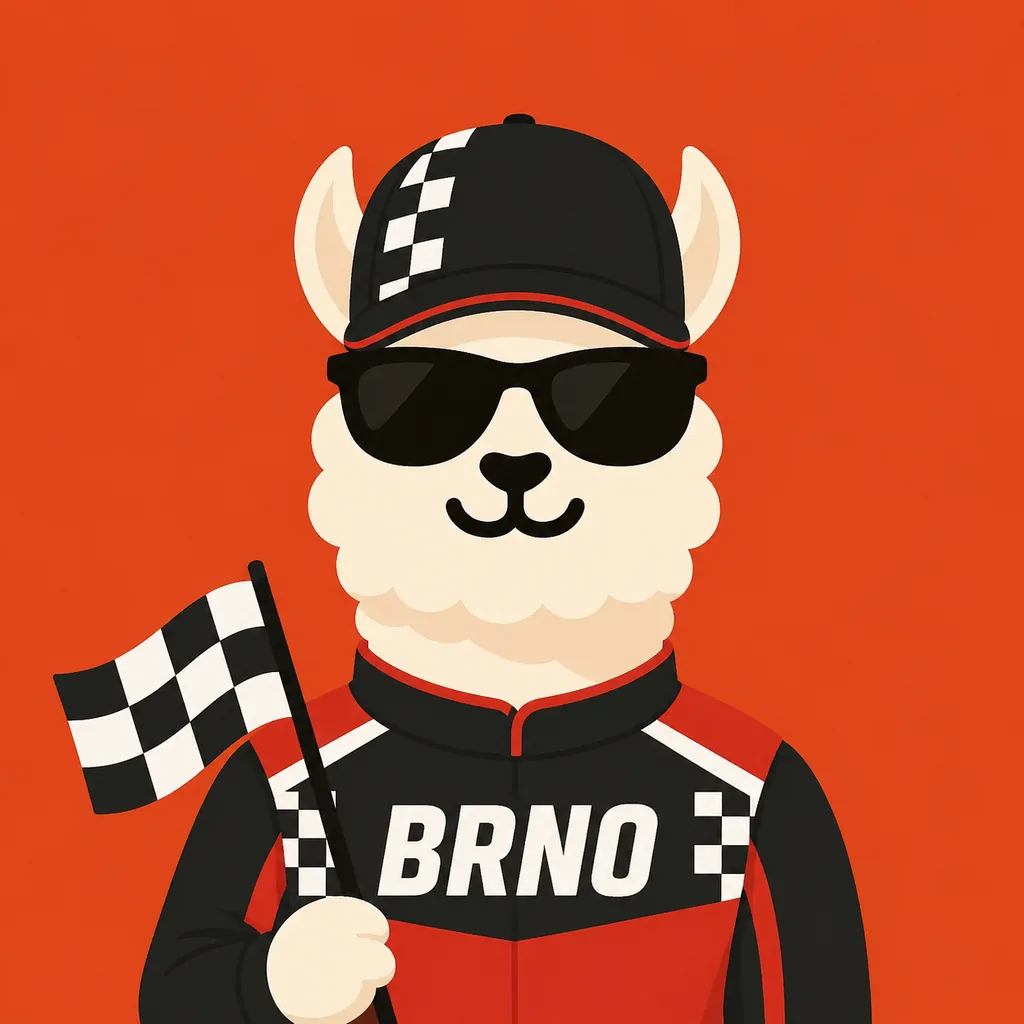
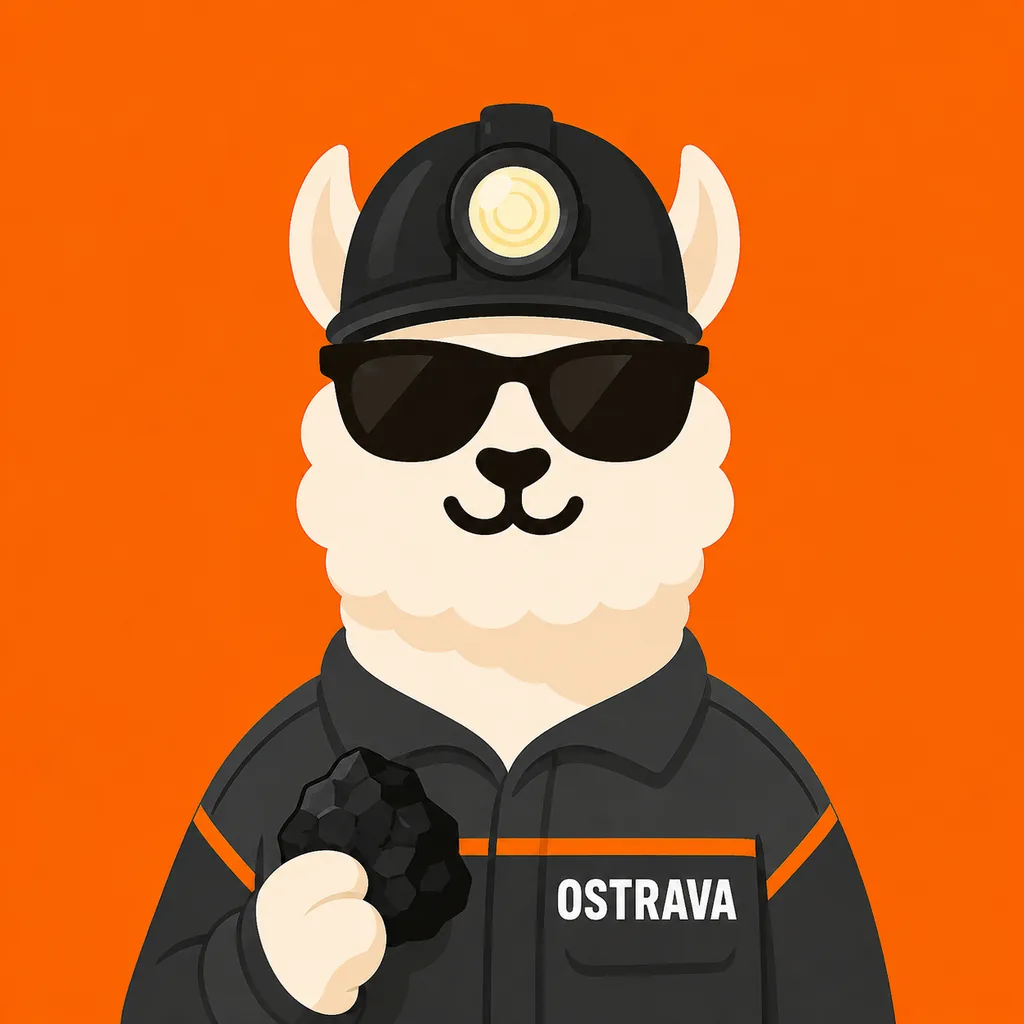
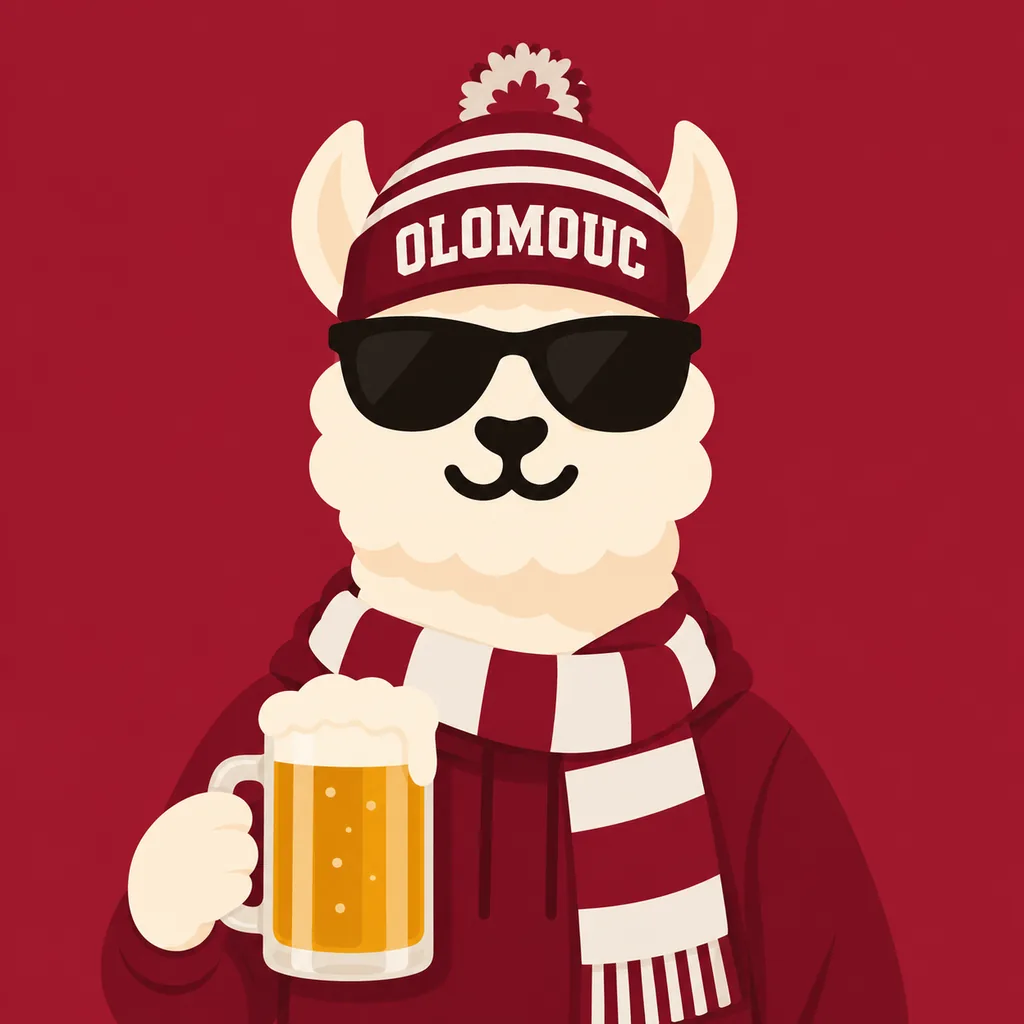
The cities we already have groups in, and how many students are inside.
0+Students in groups
0Cities with groups
Students in the network
365
365 students3 cities
Tap a region tab or a highlighted country on the map to explore your reach.
Top countries by reach
Country guide
Landing in Czech Republic, sorted.
Czech Republic is the sweet spot of European exchange: Western-Europe infrastructure at Central-European prices, a 700-year-old university, and beer that is genuinely cheaper than bottled water. It is for students who want a proper city year without going broke, with Vienna, Berlin and Krakow all a cheap train ride away.
Currency
Czech koruna (Kč)
Languages
Czech
Emergency number
112
Monthly budget
€550–900 / mo
When to go
Semesters run roughly September–January and February–June; winter term gets you Christmas markets, summer term gets beer gardens.
Getting around
Cheap, punctual trams and metro in every big city, plus dirt-cheap RegioJet and FlixBus coaches between them.
Visa in one line
Non-EU students apply for a long-term student visa or residence permit at a Czech embassy before arrival — proof of admission, funds, accommodation and insurance, then a wait of up to 60 days.
🌍
Why go on exchange in Czech Republic
This is the value pick of European exchange. You get grand cities, excellent trains and a massive Erasmus scene, but your money goes roughly twice as far as it would in Paris or Amsterdam. Prague alone gives you a 700-year-old university, a metro that runs like clockwork, and pubs where a pint costs under two euros.
It suits students who want a real city experience without bleeding cash, and who like being dead-centre in Europe for weekend trips. The honest trade-offs: Czech is a genuinely hard language, winters are grey and dark by 4pm, and Prague service staff will not fake a smile. You will leave able to read a tram map after four beers, which is a life skill.
🎉
Student life & the social scene
The engine of the whole thing is ESN (Erasmus Student Network). Every university has a chapter running welcome weeks, buddy programmes, pub crawls and cheap trips to places like Cesky Krumlov. Sign up before you arrive, because that is where your entire friend group appears in week one.
Nightlife is cheap and relentless. Prague has multi-floor clubs like Karlovy Lazne next to grimy student bars; Brno is smaller, younger and more studenty. With pints at 1.50 to 2 euros, a proper night out costs less than a cinema ticket back home. The one catch: it is dangerously easy to spend the whole semester inside the Erasmus bubble and never befriend an actual Czech.
💸
Money & cost of living
Cheap by Western standards, though Prague has crept up in recent years. Budget roughly 750 to 950 euros a month all-in for Prague, and 600 to 800 in Brno or Ostrava. Beer, public transport and the daily lunch menu are where your cash stretches furthest.
The currency is the koruna (about 25 CZK to a euro), so keep a rough mental exchange rate going. Rent is your biggest variable: dorms are the budget move, a private room buys freedom. Groceries at Lidl, Kaufland or Albert are reasonable, and eating the daily lunch menu out is often cheaper than cooking for one.
Room in a shared flat: €350-550/mo Prague, €280-420 Brno/Ostrava
University dorm (kolej): €130-250/mo
Monthly groceries: €180-250
Pint of beer in a pub: €1.50-2
Daily lunch menu (polední menu): €5-7
🏠
Finding a place to live
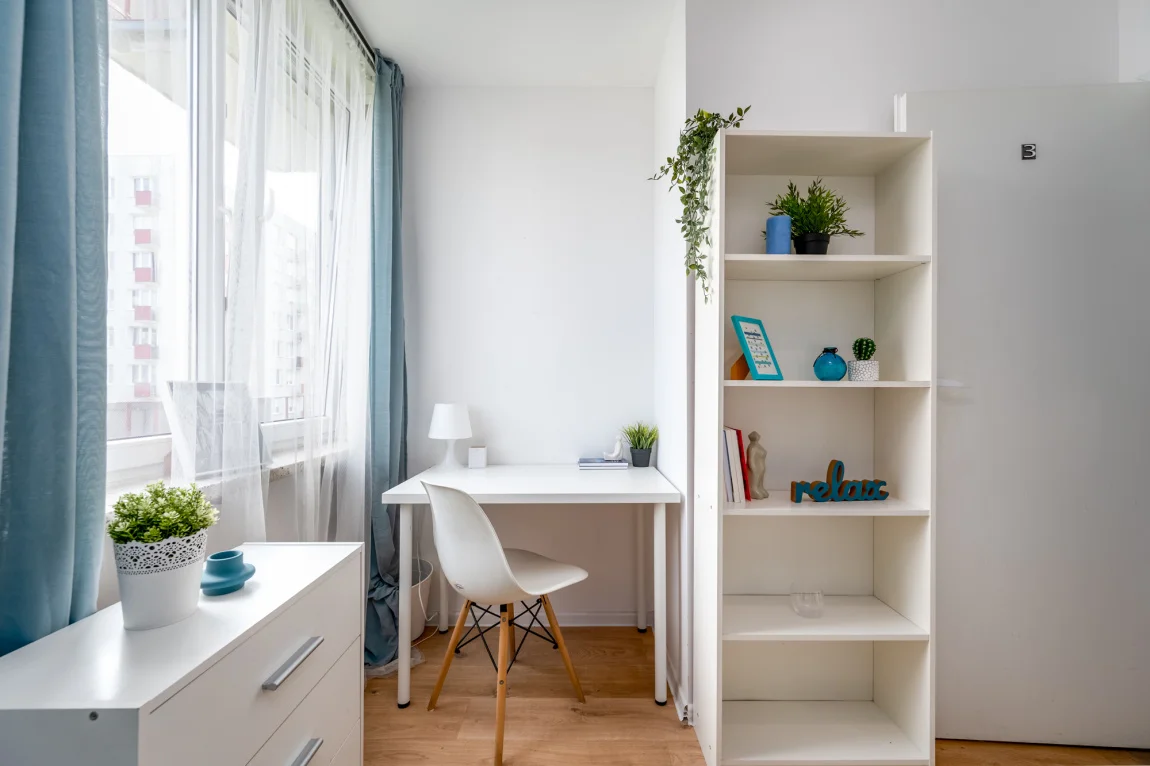
Two routes: university dorms (koleje) or the private market. Dorms are dirt cheap at 130 to 250 euros a month and come with instant social life, but expect dated buildings, sometimes shared rooms, and a location away from the centre. Apply the second you get your acceptance, because spots vanish fast.
For a private room, search Facebook groups (Flatshare Prague, Erasmus housing threads), plus sReality.cz and Bezrealitky.cz, where Bezrealitky means no agency fee. Never send a deposit before a real or video viewing, be very wary of any listing where the owner is conveniently abroad and offers to post you the keys, and expect to hand over one to two months as a deposit. September is a bloodbath, so start in July.
Dorm (kolej), cheapest and most social; apply via your uni immediately
sReality.cz / Bezrealitky.cz, main rental sites (Bezrealitky = no agency fee)
Facebook Erasmus and flatshare groups, fastest way to find a room
Deposit, usually 1-2 months; never wire money before viewing
🚆
Getting around
Public transport is excellent and almost comically cheap. Prague runs a 3-line metro plus trams and buses that keep going overnight; Brno and Ostrava run dense tram and bus networks. Get a long-term student pass (the Litacka in Prague) and one pass covers metro, tram and bus together, with under-26 students paying a fraction of the adult price.
Intercity travel is a joy. RegioJet and Leo Express trains and buses link Prague and Brno in about 2.5 hours with wifi and coffee, often for 5 to 10 euros if you book ahead. Students under 26 get discounts of up to 75 percent on domestic trains and coaches. Trams do not wait, so validate your pass and mind the closing doors.
Prague student transport pass, roughly €50-60/year for under-26s
RegioJet / Leo Express, cheap intercity; Prague-Brno ~2.5h for €5-10
Under-26 discount, up to 75% off domestic trains and buses
Night trams and buses in Prague, run after the metro shuts
🎓
Universities & academics
The system runs on ECTS, so aim for 30 credits a semester and check your home university's minimum. Grading is A to F (A to E pass, F fails), and a lot of courses hang your entire mark on one final oral or written exam, which catches Erasmus students out. Contact hours can feel light, but the workload is back-loaded into the exam period (zkouskove) at the end.
English-taught courses are plentiful at the big players: Charles University and CTU (CVUT) in Prague, Masaryk University and Brno University of Technology in Brno, and VSE for business. Charles, founded in 1348, is the oldest university in Central Europe. It is all manageable, but Czech STEM programmes in particular do not hand out grades for turning up.
🛂
Visas & the paperwork
It depends entirely on your passport. EU, EEA and Swiss citizens need no visa at all; if you are staying a while you simply register your address with the Foreign Police within 30 days of arriving, and your university or landlord usually walks you through it. No permit, no drama.
Everyone else on an exchange longer than 90 days needs a long-term study visa, applied for at a Czech embassy before you travel. Expect to show your acceptance letter, proof of accommodation, proof of funds (around 3,000 euros in the bank), travel health insurance, and to give biometrics. Processing can run up to 60 days, so start the paperwork the moment you are accepted.
EU/EEA/Swiss, no visa; register with the Foreign Police within 30 days
Non-EU, over 90 days, long-term study visa from a Czech embassy
Bring, acceptance letter, accommodation proof, funds, health insurance
Timeline, apply early; processing can take up to 60 days
🍽️
Food, culture & everyday life
Czech food is hearty and heavy on meat and dumplings: svickova (beef in a creamy sauce with bread dumplings), goulash, rizek (schnitzel) and smazeny syr, the deep-fried cheese that is every student's hangover cure. Lunch is the main hot meal and eaten early, around 11:30 to 1, and the daily polednii menu is your cheapest sit-down feed. Trdelnik, for the record, is a tourist invention, not Czech.
Beer is basically a food group here; Czechs drink more per head than anyone on earth. Tip about 10 percent by rounding up, keep some cash on you for small pubs and trams, and do not read the flat service face as rudeness, it is just the norm. Time your visit to catch the Christmas markets and the Majales student festival in May.
🏙️
Best cities for your exchange
Studcasa covers three Czech cities, and most exchanges land in the first two. Prague is the postcard, Brno is the student favourite, and Ostrava is the gritty underdog.
Prague, the big one: stunning, the most English-taught courses, the most tourists and the priciest rent
Brno, Czechia's student capital: younger, cheaper, tighter-knit, brilliant nightlife and far fewer tourists
Ostrava, post-industrial underdog: the cheapest of the three, raw energy, and home to the Colours of Ostrava festival
✈️
Travel & weekend trips
The country is tiny and dead-central, which makes weekends golden. Domestic trips barely dent your budget: the fairytale old town of Cesky Krumlov, the bone church at Kutna Hora, or hiking the sandstone canyons of Bohemian Switzerland are all easy day or overnight trips from Prague.
Going international is just as cheap. RegioJet and FlixBus reach Vienna, Berlin, Dresden, Bratislava and Krakow for 10 to 25 euros return if you book early. From Brno you are actually closer to Vienna than to Prague. The broke-student move is to book ahead and travel overnight so the bus doubles as your hostel.
Cesky Krumlov, fairytale riverside town, ~3h from Prague
Kutna Hora, the Sedlec bone church, ~1h from Prague
Bohemian Switzerland, sandstone cliffs and gorges, day-trip hiking
Vienna / Dresden: 2.5-4h by bus, €10-20 return
Krakow, cheap overnight bus, a huge Erasmus destination
💡
Insider tips & rookie mistakes
The stuff nobody tells you until you have already tripped over it. None of it is hard, it just saves you a headache and a pile of koruna.
Learn dobry den, dekuji and prosim, locals thaw the instant you try
Always validate your pass or ticket, plain-clothes inspectors fine you on the spot
Carry some cash, small pubs and trams do not all take card
Set up a Revolut or Wise account, dodge dreadful exchange rates and 0% commission traps
Get an ISIC card, student discounts everywhere, transport included
Sort dorms and Foreign Police registration early, do not leave admin to week one
Exchange tools
Plan it before you fly.
Free tools to budget, pick a city and sort your paperwork.