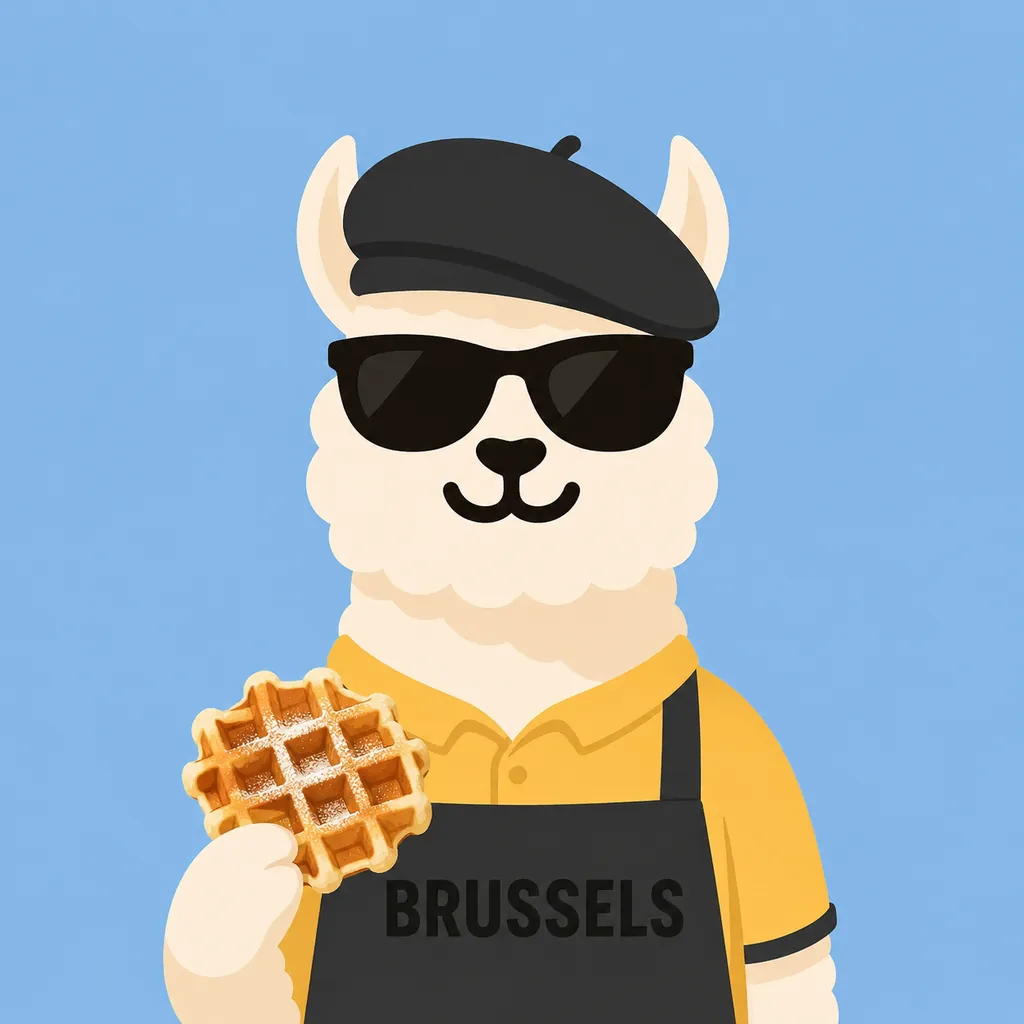
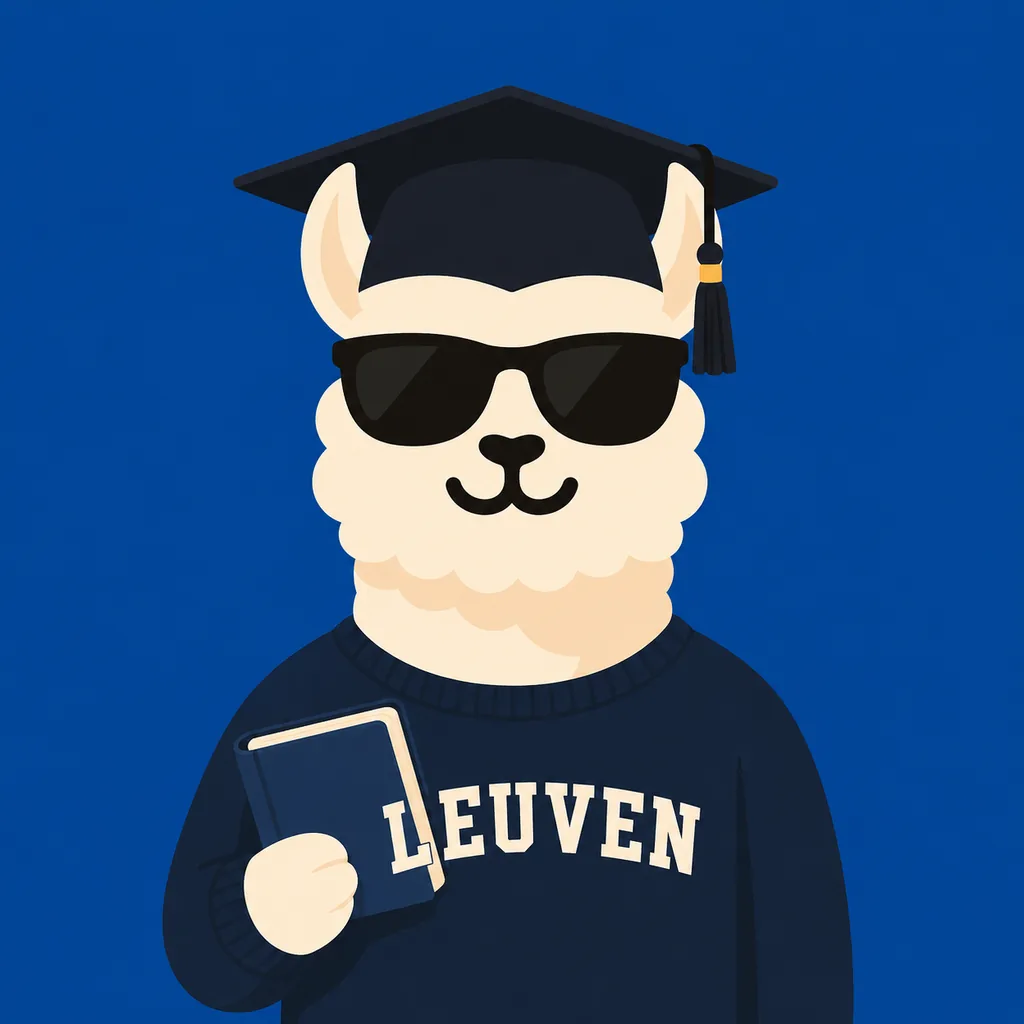
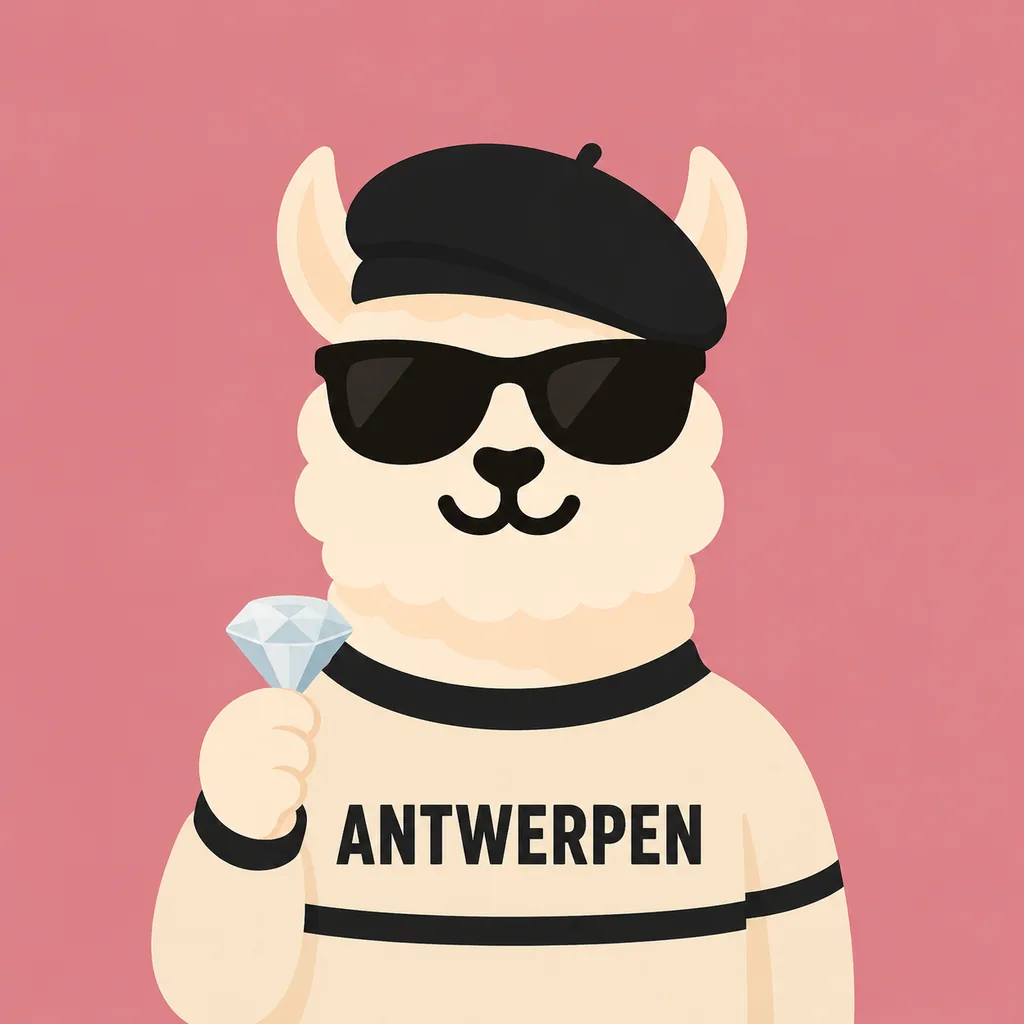
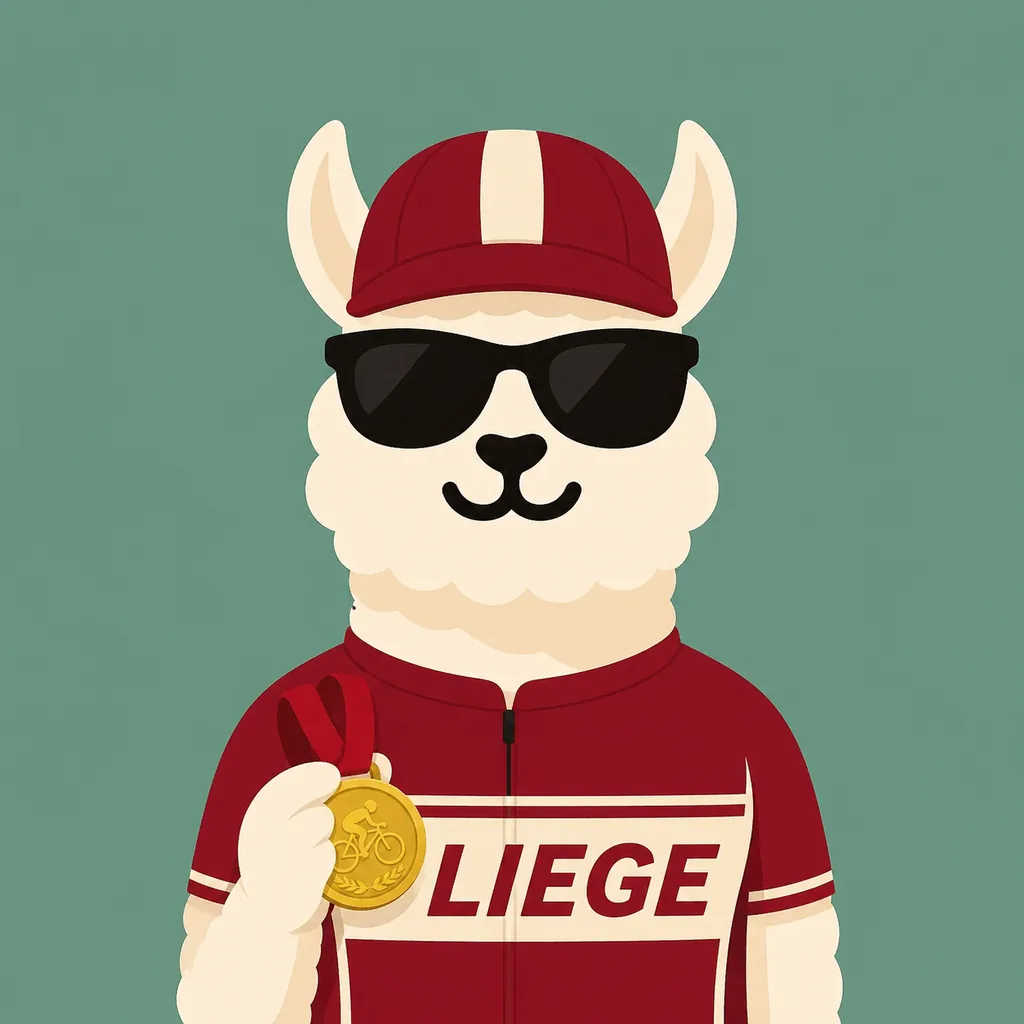
The cities we already have groups in, and how many students are inside.
0+Students in groups
0Cities with groups
Students in the network
278
278 students4 cities
Tap a region tab or a highlighted country on the map to explore your reach.
Top countries by reach
Country guide
Landing in Belgium, sorted.
Belgium is the sweet spot for a first exchange: small, central and stitched into the middle of western Europe, so half the continent is a cheap train ride away. It punches way above its weight academically, costs less than the Netherlands or the Nordics, and the beer-and-chocolate reputation is entirely deserved. It's for you if you want a proper European base without the Amsterdam price tag.
Currency
Euro (β¬)
Languages
Dutch, French (German in the east)
Emergency number
112
Monthly budget
β¬850β1,250 / mo
When to go
Semesters run late September to January and February to June β arrive early September to sort your kot before the rush.
Getting around
Cheap SNCB trains connect every city in under 2 hours; locally you bike everywhere or hop on De Lijn, STIB or TEC.
Visa in one line
Non-EU students need a long-stay Visa D from the Belgian embassy: acceptance letter, proof of funds, health insurance, clean criminal record. EU students skip all of it and just register at the commune.
π
Why go on exchange in Belgium
Belgium is the low-drama, high-payoff pick for a first exchange. It's tiny and central, so Paris, Amsterdam, Cologne and London are all a cheap train or bus away, and it punches above its weight academically (KU Leuven is genuinely world-class). It's affordable next to the Netherlands or Scandinavia, and yes, the beer and chocolate live up to the hype.
It's for you if you want a real European base without the sticker shock of Amsterdam or Copenhagen, and you don't mind grey skies and a country that can't quite agree which language to speak. You'll leave fluent in nothing but able to order frites in three languages, with a rail map of half the continent memorised.
π
Student life & the social scene
The social life runs on beer and student clubs. Every uni town has a strong 'kot' culture (shared student houses) and the cantus, a rowdy, song-filled drinking ceremony that's part hazing, part choir practice; go once for the story. ESN (Erasmus Student Network) chapters in every city run cheap trips, pub crawls and welcome weeks, and they're the fastest way to build a friend group in your first fortnight.
Nightlife is bars over clubs: Leuven's Oude Markt claims to be the longest bar in the world, a single square ringed by pubs. Belgians can seem reserved at first and friend groups form early in the year, so lean on the Erasmus bubble but push yourself into a sports club or a Dutch/French class to meet locals too.
πΈ
Money & cost of living
Belgium sits in the comfortable middle: pricier than Spain or Portugal, noticeably cheaper than the Netherlands, Paris or the Nordics. Budget roughly β¬900β1,200 a month all-in including rent and you'll be fine; without rent you're looking at β¬400β550 for food, transport and going out. Shop at Colruyt, Aldi or Lidl; the small Delhaize and Carrefour city stores charge a premium for convenience.
The big variables are rent and how much you drink, because a night out adds up fast even when beer is cheap. Cooking most nights and hitting student restaurants (Alma in Leuven, resto U at ULB) for β¬4β7 mains keeps things sane.
Student room (kot): β¬350β600/mo
Monthly groceries: β¬200β280/mo
Pint in a bar: β¬2.50β4
Student canteen meal: β¬4β7
Under-26 single train ticket (Go Pass 1): β¬7.10
π
Finding a place to live
Students live in a 'kot': a room in a shared student house, sometimes with a communal kitchen and bathroom, sometimes a studio with its own. Most exchange students land one through their university's housing office, which often reserves rooms for internationals, so apply the second you're nominated because the good central ones go by early summer. Expect β¬350β500 in Leuven, Antwerpen and Liege, and β¬450β650 in Brussels.
For private listings try Kotwijs, Kotmadam, Immoweb and university Facebook groups. Never pay a deposit or 'reservation fee' before you've seen the room on a live video call or in person; the classic scam is a too-cheap flat from a 'landlord abroad' who needs a wire transfer. A legit Belgian deposit is capped and goes into a blocked bank account, not the landlord's pocket.
Book through the uni housing office first, internationals get priority
Kotwijs / Kotmadam / Immoweb for private rooms
Deposit is usually 2 months, held in a blocked account, never wire cash
Register your address at the commune once you move in
π
Getting around
Belgium is tiny and the trains (SNCB/NMBS) knit it together: Brussels to Antwerpen is about 45 minutes, Leuven to Brussels around 25, Brussels to Liege roughly an hour. If you're under 26, never buy a full-price ticket, because the Go Pass 10 gives you ten single journeys anywhere in the country for around β¬65 (about β¬6.50 a hop) and the Go Pass 1 is β¬7.10 for a one-off.
In town, each city runs its own network: STIB/MIVB metro-tram-bus in Brussels, De Lijn trams and buses in Flanders (Antwerpen, Leuven), TEC in Liege and Wallonia. If you live in Brussels and you're under 25, the STIB annual pass is a near-joke β¬12 a year. Flanders is flat and bike-mad, so a second-hand bike in Antwerpen or Leuven beats any pass.
Go Pass 10 (under 26), ~β¬65 for 10 national trips
Second-hand bike: β¬80β150, essential in Flanders
Blue-bike shared bikes at most train stations
π
Universities & academics
Belgium runs on ECTS (it helped invent the system): 30 credits a semester, 60 a year, and your home uni maps them back. Grading is out of 20, where 10 is a pass, 12β13 is solid, 14+ is good and anything 16+ is rare enough to brag about. Autumn semester runs mid-September to late January with a brutal January exam block; spring runs February to June, with a second-chance resit period in August/September if you flunk something.
KU Leuven is the heavyweight (consistently top-50 in the world), with Ghent, UCLouvain, ULB, VUB, Antwerpen and Liege all respectable. English-taught Bachelor courses are limited since a lot of undergrad teaching is in Dutch or French, but master's level and dedicated exchange programmes have plenty in English. Check the specific course catalogue before you commit, and don't underestimate the workload: professors expect you to read.
π
Visas & the paperwork
It depends entirely on your passport. If you're an EU/EEA or Swiss citizen there's no visa: you just rock up, then register at your local commune (town hall) within about three months to get a residence document. Bring your enrolment letter, passport, proof of health insurance and proof you can support yourself.
If you're a non-EU student (UK, US, most of the world) you need a type D long-stay student visa before you travel. You'll need your official admission/enrolment letter, proof of sufficient funds (roughly β¬770β800 a month, often via a blocked account or scholarship), health insurance and sometimes a medical certificate and police clearance. Once in Belgium you must register at the commune within 8 working days to get your residence card. Start early, because appointments and document legalisation eat weeks.
EU/EEA/Swiss, no visa, just register at the commune
Non-EU, apply for a type D long-stay visa before arriving
Proof of funds, ~β¬770β800/month
Register at your commune within 8 working days of arrival
Post-Brexit: UK students now need the type D visa
π½οΈ
Food, culture & everyday life
You will eat frites: twice-fried, from a friterie or fritkot, in a paper cone with a fat dollop of mayo or andalouse, never ketchup. Beyond that it's waffles (the dense sugary Liege one beats the Brussels one, fight me), mountains of chocolate, moules-frites, and hearty stews like carbonnade flamande, beef braised in beer. Beer is basically a food group, so order a Trappist, a Duvel or a fruity kriek and you're doing it right.
Meal times are early-ish: lunch around noon to 1, dinner 6:30 to 8. Shops shut on Sundays and often close by 6β7pm on weekdays, so stock up. The language line catches people out: greet in Dutch in Flanders, French in Wallonia and Brussels, and switch to English only after, because getting it wrong in the wrong region is a low-key faux pas. Don't miss festival season either: Tomorrowland, Rock Werchter, the Ghent Festival and the winter Christmas markets.
ποΈ
Best cities for your exchange
Belgium's exchange cities are all within an hour of each other, so wherever you land you can visit the rest on a weekend. Here's the quick read on the four Studcasa covers.
Brussels, the bilingual capital: messy, international, EU-and-everything, best if you want big-city buzz and the easiest travel links
Leuven, the definitive student town: small, gorgeous, KU Leuven runs the place, and the nightlife is legendary for its size
Antwerpen, Flanders' cool older sibling: fashion, art, a huge port and great bars, with a proper city feel minus Brussels' chaos
Liege, French-speaking, gritty, warm and cheap: less polished, but the friendliest nightlife and the best Sunday market in the country
βοΈ
Travel & weekend trips
This is Belgium's killer feature: it's a launchpad. Domestically you can do Bruges, Ghent, Antwerpen and Brussels as day trips for the price of a couple of Go Pass rides. Cross-border, the fast trains and FlixBus put a big chunk of Europe in weekend range, and if you book Eurostar or ICE early even the major capitals come cheap.
For a broke student, prioritise the day trips first (near-free with a Go Pass), then pick one or two bigger weekends. Amsterdam and Cologne are under two hours, Paris is about 1h22 on the high-speed line, and Luxembourg and Lille barely count as 'abroad'. Book buses and rail weeks ahead, travel with hand luggage only, and avoid Friday departures when everyone else is fleeing too.
Bruges & Ghent, canal-town day trips, under an hour, Go Pass cheap
Amsterdam or Rotterdam, ~2 hours by train or FlixBus
Cologne, Germany, ~1h50, unbeatable for Christmas markets
Paris, ~1h22 by high-speed train, book early for ~β¬30
Lille & Luxembourg, cross-border day trips, dirt cheap
π‘
Insider tips & rookie mistakes
A few things separate the smooth exchange from the stressed one, mostly admin, money and knowing which language to open with.
Register at your commune the week you arrive, leaving it late stalls your residence card and bank account
Carry a bit of cash, some fritkots, markets and older bars still snub foreign cards
Get a Belgian bank account (or a free N26/Revolut) so you can set up rent and utility direct debits
Learn 'bedankt' / 'merci' and a greeting in the local language, it opens doors, then switch to English
Buy a second-hand bike in Flanders and lock it with a proper U-lock, bike theft is rampant
Don't sleep on the January exam block, Belgian exams are heavy and a huge chunk of your grade rides on them
Exchange tools
Plan it before you fly.
Free tools to budget, pick a city and sort your paperwork.